With some regret for myself, I note that Rex Ventorum is starting to lose its appeal for me in terms of gameplay on NationStates. I have practically completely equalized the income (as planned by Lucius during his coup), eliminated obesity, and am still among the top in industry, defense forces, and economy; in terms of culture, after a decline, I rose to second place right after Arca, so only things like mortality and environment remain – this will take time, and there is little interesting about it. In general, primarily for a similar reason, I staged that coup back then – playing as a corporation that abuses the population/develops industry and the army quickly bored me. Of course, I will continue to develop FRRV as intended, but now I want something else.
Therefore, I created a new Kalmykian nation! In general, it's a mix of Chinese, Indian, and Arab cultures; I won't write anything more about it now – I'll do it with a longer post, but I'll have to postpone it until the country undergoes certain changes in terms of its indicators. And since we're at it, I'll share how I make flags. It's a very simple method, but maybe someone will find it useful.
Using this country as an example:
1. Created an empty image 319x213 (I don't know why, but I've been using these parameters for a very long time; most likely my flag on Kraustorm was scaled like that, and I decided that this is the "correct" size).
2. Made three smaller images (213/3=319x73).
3.
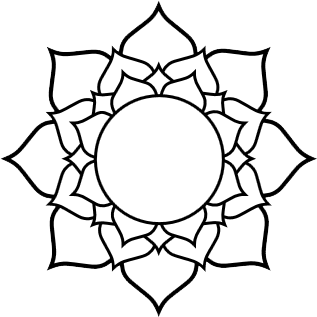
Found (I am not an artist at all and would rather do a triple somersault than draw something decent) online a graphic symbol of something (in this case, I was looking for a lotus flower), reduced it, and placed it in the center.
Here it is:
4. And now I’ll tell you how I choose colors)))
It's a bit lazy for me to take them from my head or move sliders for half an hour, so I came up with a fun method.
Here is a photo.
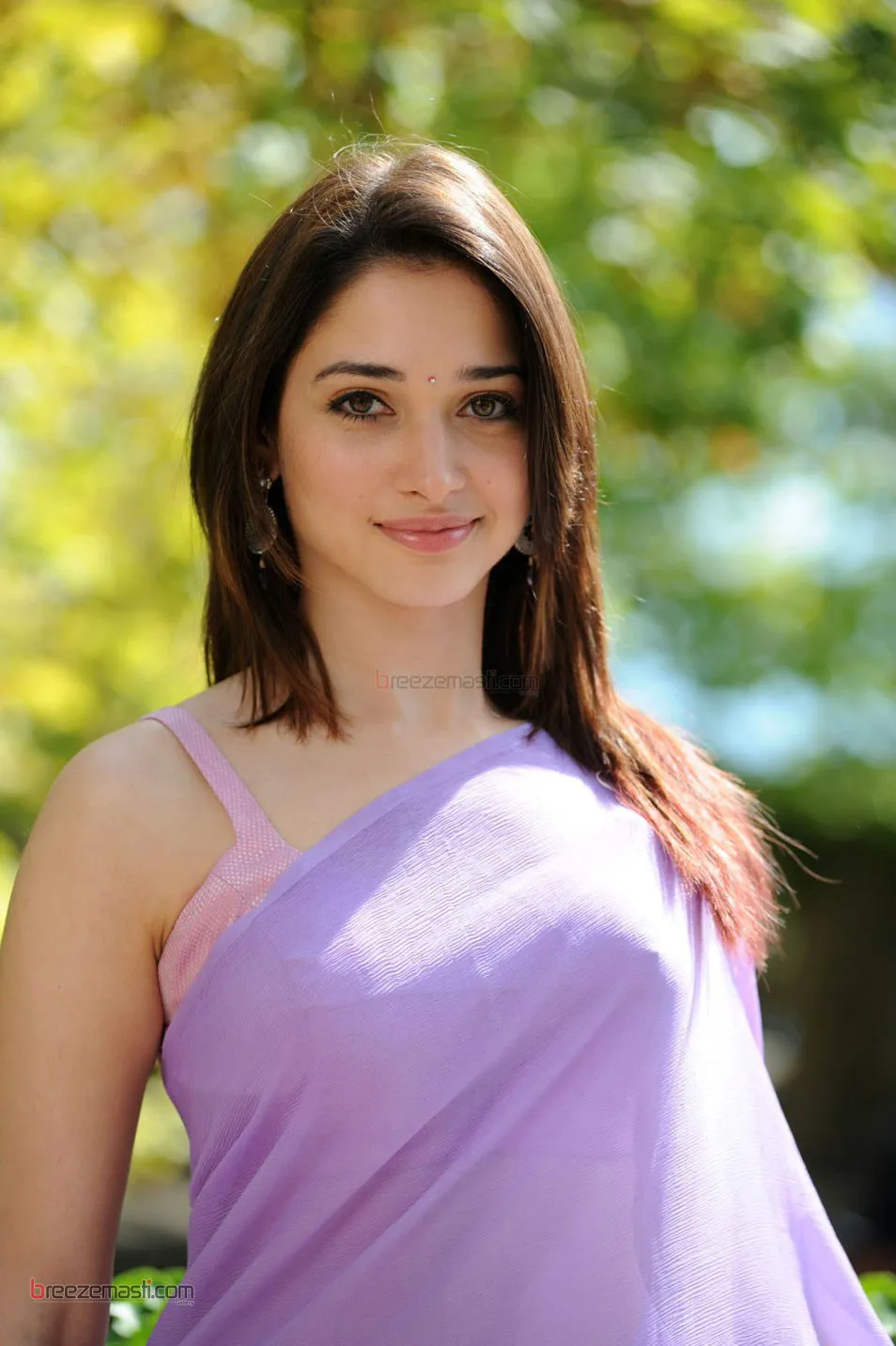
I take an eyedropper (probably called a pipette in Russian, I don't know) and use it to go through the image in search of suitable colors, then reduce/increase saturation and fill all this emptiness with color.
In the end, it turns out like this:

That is, as I already said, the method is very simple, but requires very little time, and the result is quite good.



 MedjersoN_HP




 Bhatia relocated from The West Pacific to Actaea.
 Ple-Sen
