The enigmatic Raura—or perhaps the entities influencing her behavior—proved overly energetic and impatient, bringing an end even sooner than expected.
All those who had at least one of the six books in their inventory, as well as those who were nearby*, are engulfed by toothy, many-eyed shadows and forcibly transported to the Edge of Infinity—a location that lay to the "north" of Ikazkan, beyond a long and treacherous, collapse-prone road. There, they stood before a colossal portal, from whose depths myriad stars gazed back at them.
Before it, suspended in the air, hovered that very inhabitant of Antrum, and around her—like planets around a star—revolved six illustrated tomes.
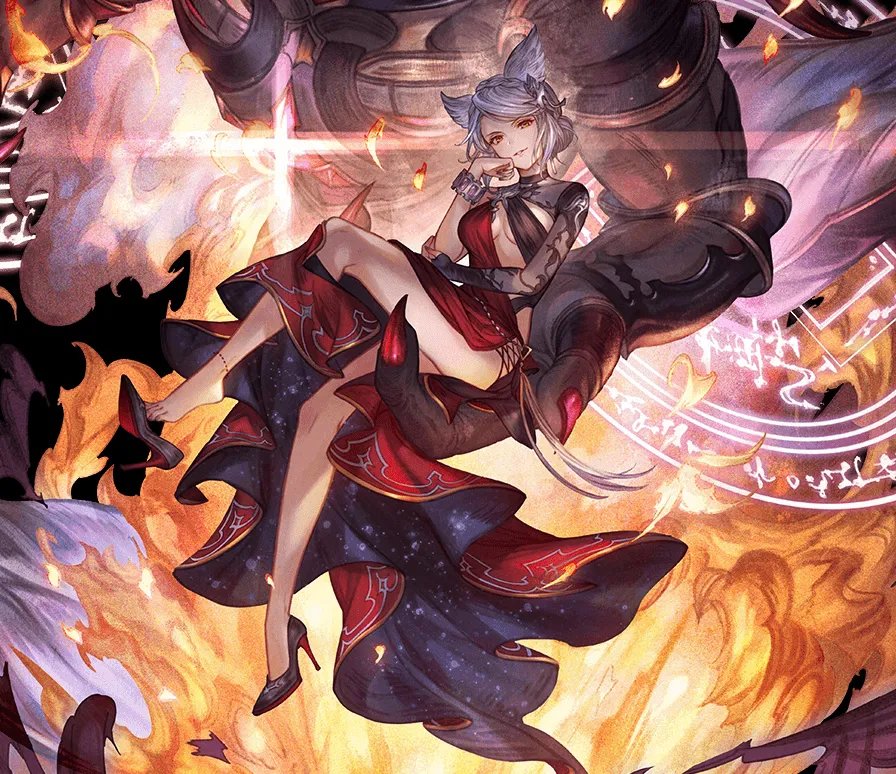
- Now the history of this little world and the roots of the outer one are clearly visible to me. - Fortunately for her listeners and the universe alike, Dorian possessed an item that allowed the woman's ornate speech to be perceived in a simpler, more human-comprehensible form. - Heroes of fiery Ikazkan, behold the truth—our mutual insignificance! - Casting a quick glance behind her, toward the enormous hole in space, she continued. - This is what gave birth to us all, and our entire cosmos is but one of these countless points!
Had these words belonged to a slightly less imposing figure, and had that mind-shattering thing not been behind her, they might have been dismissed as humor or madness—but the atmosphere pervading this place underscored the gravity and truth of every word she spoke. Raura shares with her unwilling students knowledge of a world called Anuzish. She speaks of the city of light
Margel and of the
flaming land of the south, after which she reveals the origins of Ikazkan and the entire underworld.
_________
Listen to what you're told and do the same, or else there'll be no roof over your head, no food in your bowl, you'll forget what restful sleep is, cold will pierce you to the bone, and on top of that you'll get cuffed around—and then wander alone through frightful streets in search of a dim glimmer of hope to find tomorrow. Such was the prism of existence through which a pair of warm, dark-red eyes—belonging to a stray little girl—viewed the world.
"Oh, our Mother Goddess, whose air we breathe, whose waters quench our thirst, in whose grace we live, I beseech thee—tell me why I was doomed to such a life?"
Her prayers went unanswered, and each new step of a pair of emaciated little legs, which continued to uncertainly wade through the viscous swamps of life, came with ever greater effort. There was little strength left in them when, by the grace of her peach-colored hair, their owner caught the attention of a high-status traveler. To him, she was no better than a stray mutt, yet he granted her shelter, protection, education, and familial warmth. Her soul—like soil that had never known moisture or sun—was transformed and, for the first time, sprouted the seeds of new beginnings. Having experienced care and kindness, she wished to repay in kind.
Years passed, and from the peach-haired little girl emerged the image of a noble woman. She was strong as none other**, and the source of that strength was her boundless devotion to her savior—her adoptive father, who had endowed her with everything she possessed. She also came to love his country, which he ruled with a gentle and benevolent hand.
Spoiler
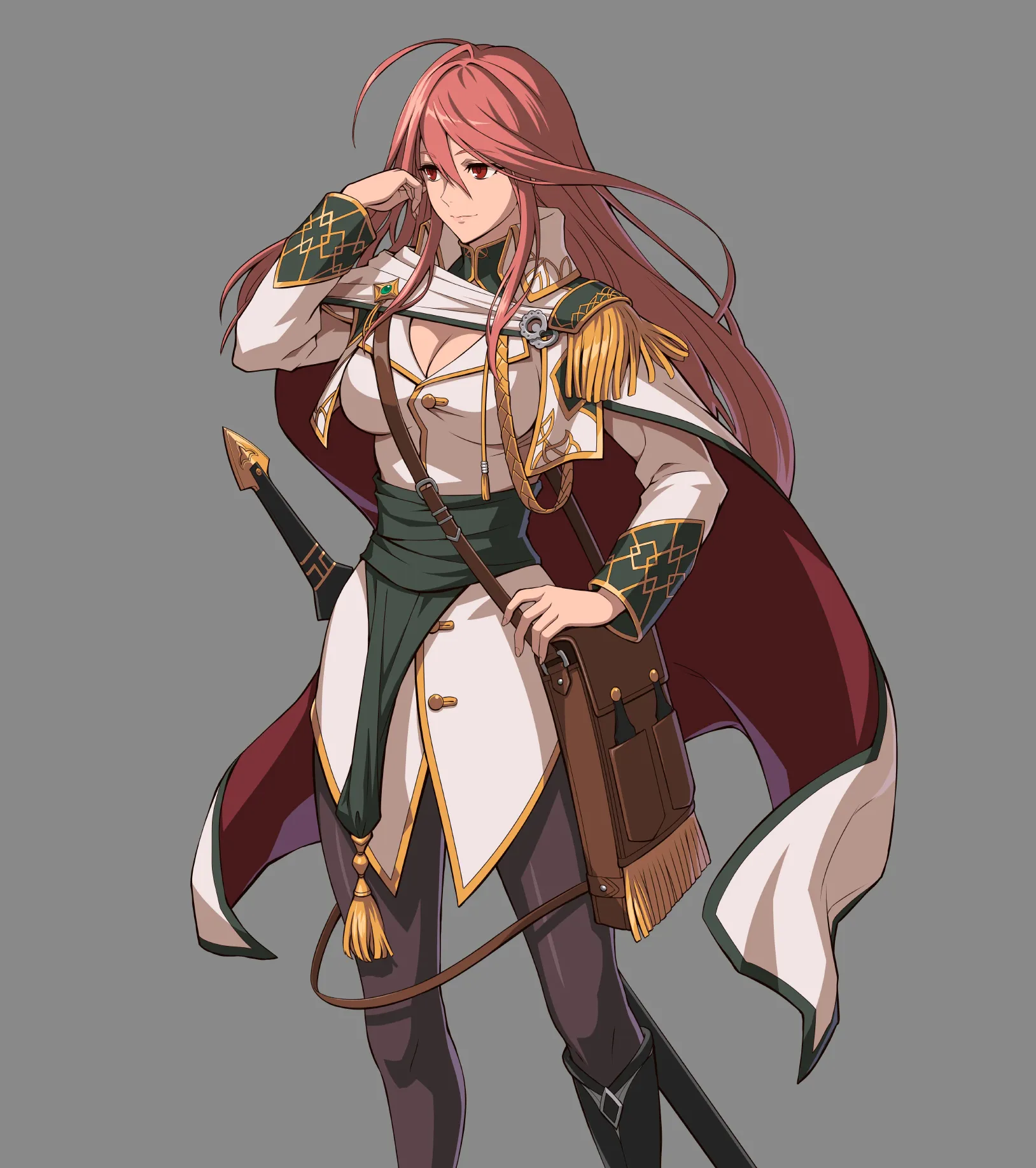
Yet there was an inevitable tragedy in the peach-haired lady's life, drawing nearer with each passing day. Her beloved benefactor, as the common folk would say, was sick of mind, and the followers of Anuzish would have called him a heretic—for he harbored very strong romantic feelings for her—for the planet itself. Nevertheless, his daughter was ready to support him in any endeavor, and so when the key of the void fell into their hands, they set out on a journey across the world in search of the
Nine Obelisks. Overcoming numerous perilous situations and forging many acquaintances along the way, they reached their shared goal at the end of a long journey. The melancholic king's desire was simple—to share eternity with his beloved. The Obelisks, which governed the cosmos, answered his wish, but its realization would take years—the world would begin to crumble, slowly at first, then sharply and intensely. Both knew what villainy they were committing, but it did not stop them—he was too obsessed, and she too devoted. On the appointed day, the daughter would slay her father's physical form, sending his soul to its long-awaited rendezvous, while she herself would lose the most precious thing in her life. Yet despite this, her duty would not end there—in the days when the world's self-destruction became evident to all, she would lead the inhabitants of her father's kingdom onward, striving to shield them from oblivion.
_________
When the entity of Anuzish departed the planet's depths, vanishing and leaving behind a ravaged world, that world began the process of rebirth. Continents were destroyed, civilizations and biomes went extinct, and then new ones began to emerge. In stabilizing Chaos, the cosmos had to resort to the use of nine vessels, into which it placed the essences of each element—fire, water, wind, earth, light, darkness, matter, cosmos, and time. The vessels were likely chosen based on their proximity to the corresponding obelisks, as well as their "quality." Moreover, the vessels themselves retained their sanity and were endowed with very great power capable of influencing the world.

Lolita Morax, who bore within herself the essence of Zephyr—the windy saint of antiquity—became the natural choice for the vessel of the air element. After the old civilizations were destroyed, she became the founder and progenitress of the Morax people—humans with animal ears and, occasionally, tails. Furthermore, even to this day, lacking a physical form, she still serves as a so-called agent of chaos—according to the surface's mythology, it is because of her that perfect peace, order, and harmony will never be achieved. Raura, meanwhile, is her direct descendant in the royal line of the Morax people.
Sir Tann Monargot, whose quest for the Nine Obelisks had been pointless from the very start because the king and his daughter had beaten him to it, became the vessel of the earth element. His patriotic quest, however, did not end with that defeat. He, his companion Selena Alsephir, and other comrades founded a new Nefria on the virgin soil of the new world, welcoming into their ranks all who were repulsed by time-limited existence.

Lunamaria es Diesra Arual, daughter of the goddess of light, became the vessel of that same element. She managed to lift Margel into the air and preserve the city and its inhabitants from destruction, maintaining the familiar order of things and the traditions of the old world.
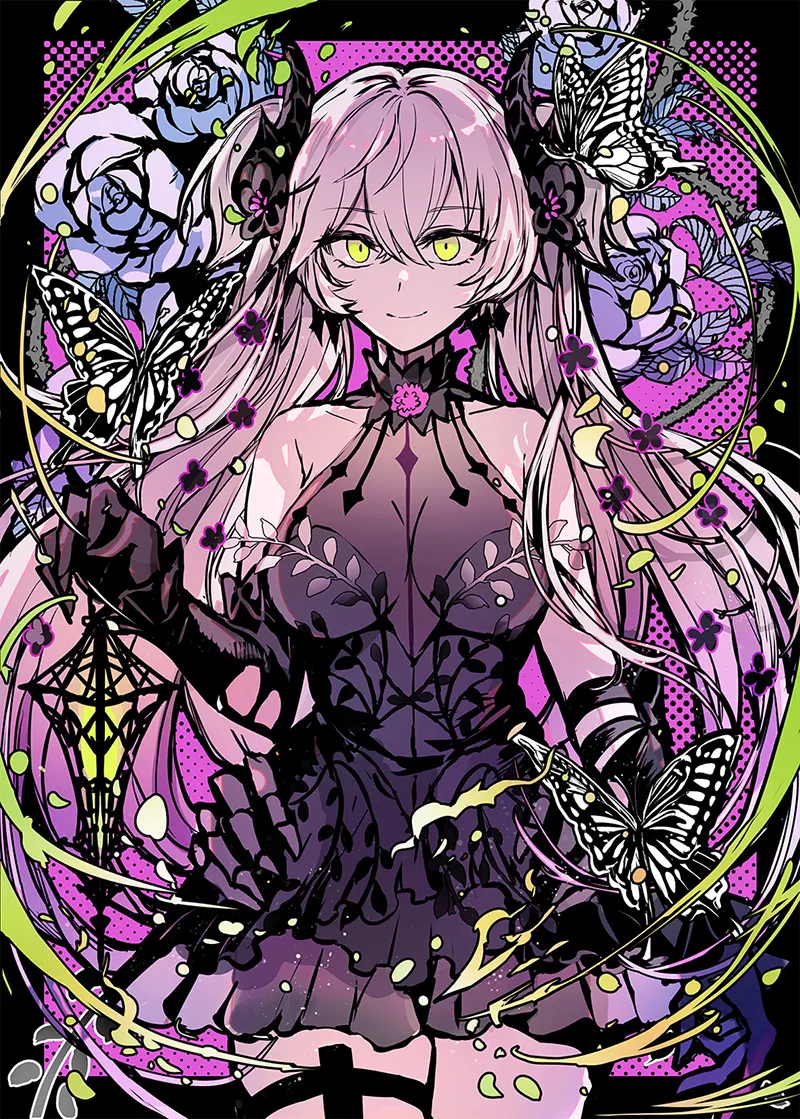
Though her native world had been drained by ill will, the goddess of the sun-colored sea, who arrived from beyond, was granted a chance at a second life in a new home—but it turned into tragedy. Abducted by a certain pirate, she fell victim to the magical experiments of the Calcitan sorcerer Marduk. He planned to use the life force of all people within the empire's territory to "fill" the otherworldly goddess with it and harness that massive energy to first destroy Asuguh's army and then conquer the entire world—but his plan was doomed to fail, for among those in the city was a warrior named Lampr. When his soul left his body—he exploded and destroyed the city, and with it Marduk himself. Yet the goddess still became a vessel for the souls of all those unjustly slain, first in Calcita and then across the world when it initiated its self-destruction. Thus, the collective entity of millions of souls came to be named "Regret" and became the vessel of the darkness element. Concealing its true nature behind a lovely guise, Regret wreaks vengeance upon the new world's inhabitants for the wrongs done to those of the old. She is also the mother of all monsters terrorizing the surface dwellers.
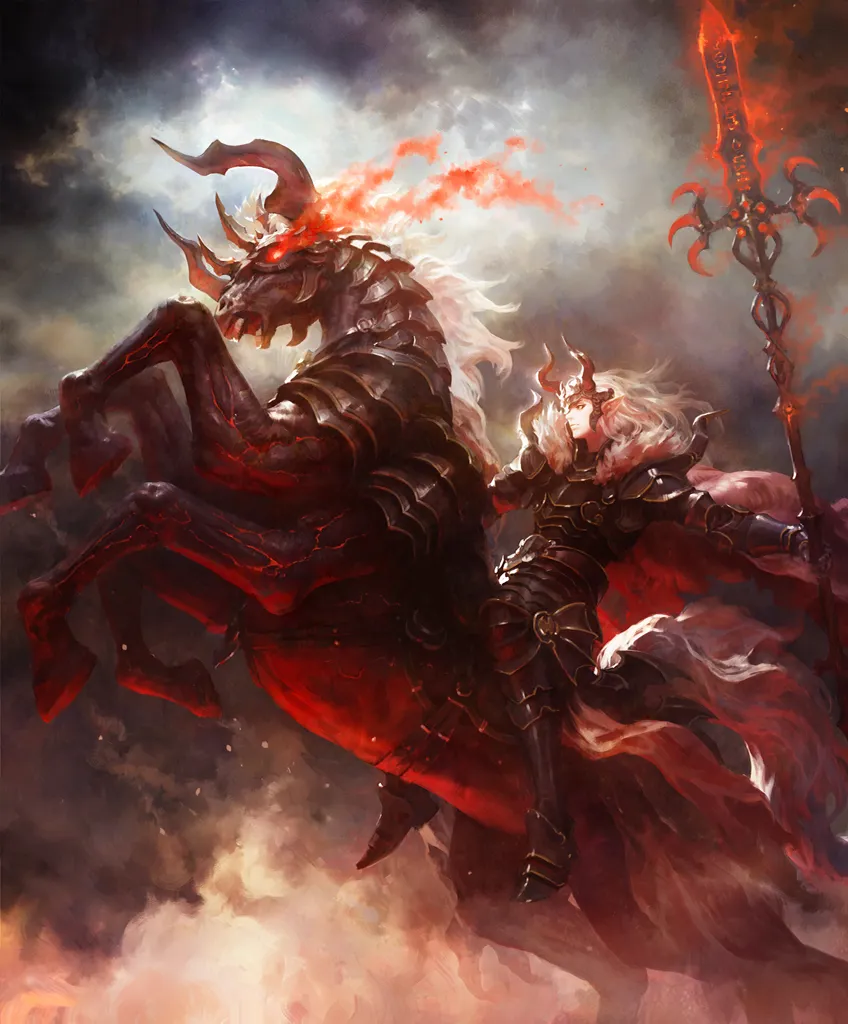
The Raven of Dawn, a godlike being from beyond freed from centuries of imprisonment, became the vessel of the cosmos element. His goals remain unknown, but even he is not as enigmatic as the utterly unknown vessel of time.
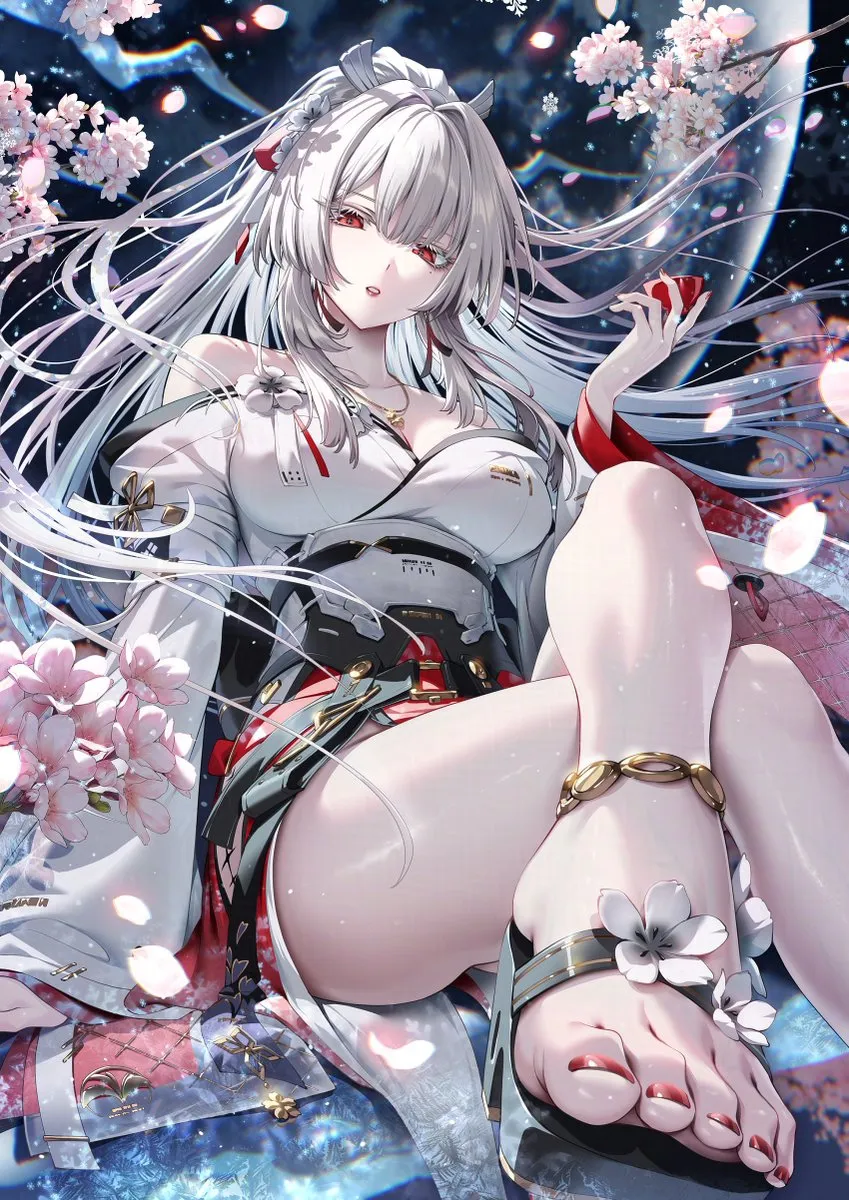
Given her nature and innate affinity, one of the priestesses of the Momijigari Shogunate was destined to become the vessel of water—however, the Mikoto of Toyokawa, Ootori Yamato, refusing to be consigned to oblivion along with the reborn world, managed to capture her and use her for her own purposes. And her purposes were simple—to live forever and never lose relevance in the world.
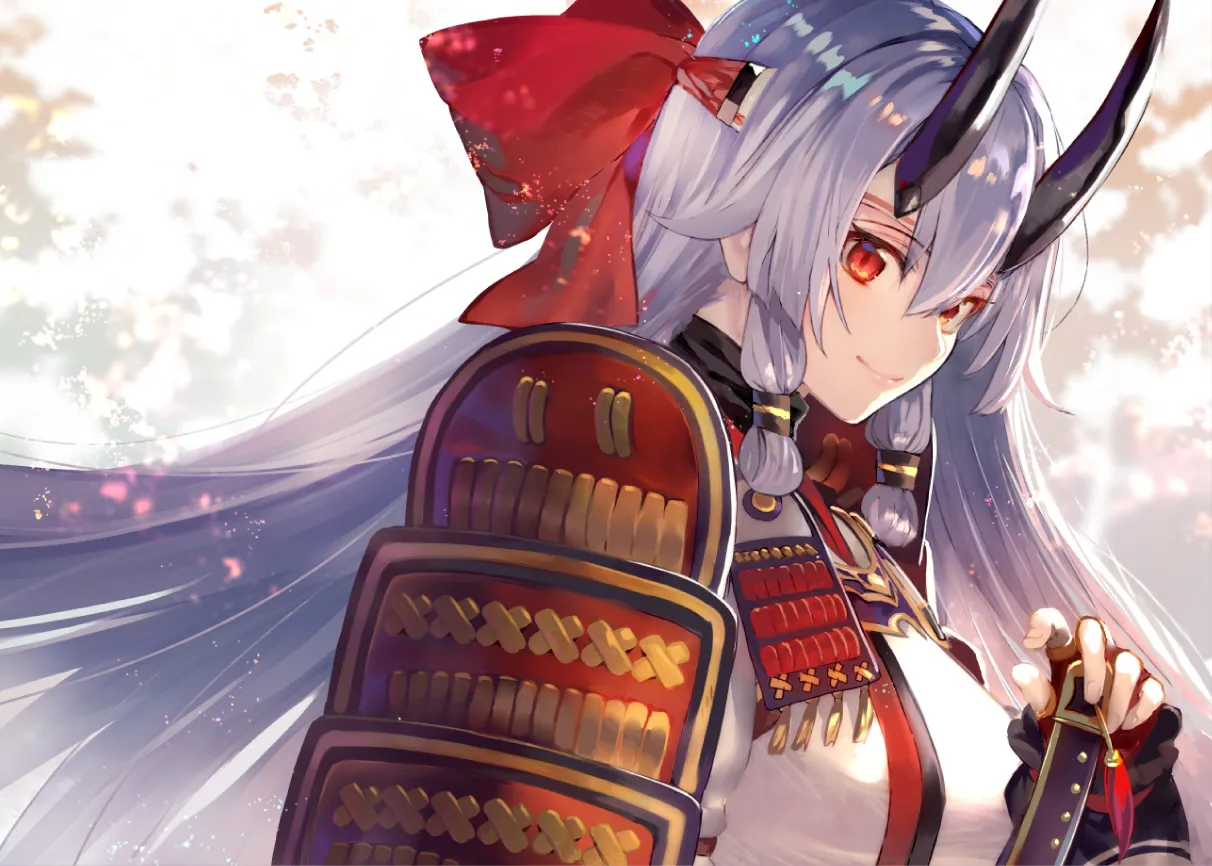
The element of matter went to Oni from the Misurugi Isles. She took her duty more responsibly than the others and devoted her existence to caring for the new world and its inhabitants, laboring so that order prevailed everywhere and the laws of the cosmos were not violated.
A tenth vessel was also created—the vessel of the void. In the past, it had been the foundational element of Anuzish, the very substance she was composed of, and so it could not be omitted. But unlike the nine, the vessel was not one of the world's living inhabitants—a new one was created from scratch—powerless and nameless. Who she is and where she is now—no one knows.
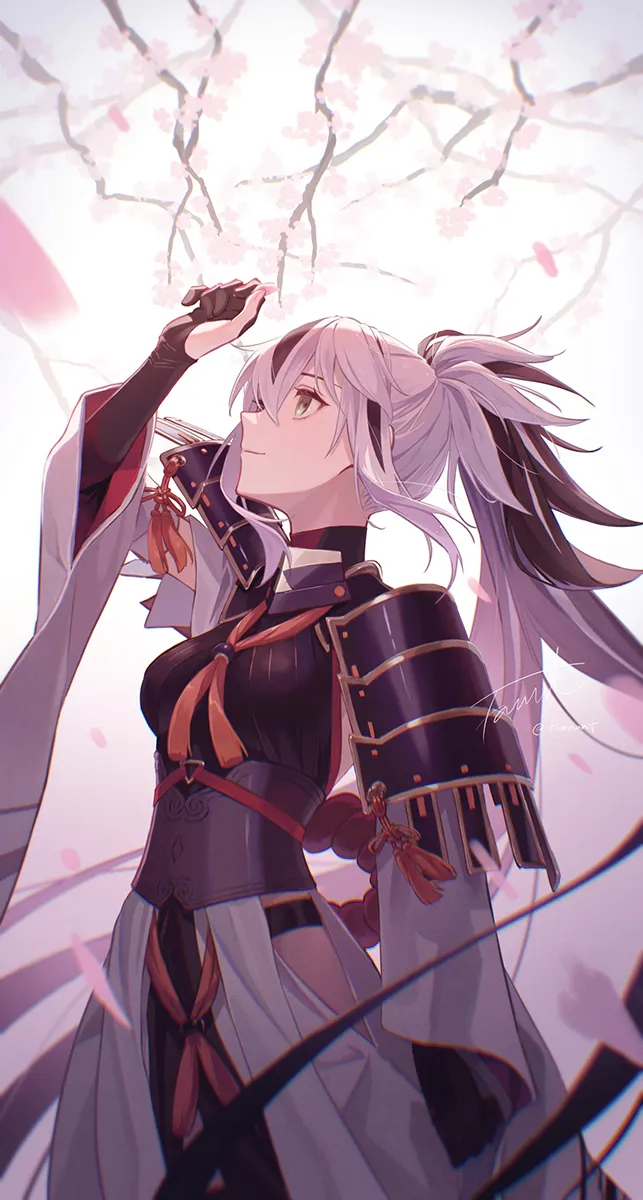
And the vessel of fire, obviously, became Ikusa Sizki. She had but one desire—to create a paradise for the inhabitants of Asuguh who had followed her. Deep within the earth, she wrought a world within a world, where she and her comrades could live forever, uncondemned to human suffering. The realm she created operated under laws different from those of the main world. Gravity here was inverted, and time flowed formlessly—only 15 years had passed on the surface since the people of Tezot arrived, whereas those who ended up in the dungeon spoke of wildly different spans of time—some had grandfathers born here, while others had been there only briefly.
Over the course of their new life, the Asuguhites' appearance changed—by what criterion, it is unknown. Perhaps it was how they subconsciously wished to look, but that mattered less than the changes their personalities underwent through the process of endless rebirth. Moreover, they lived lives devoid of significant events and were unburdened by meaningful ambitions. Observing this, hoping to bring a wind of change into a world of stagnation, she decided to create sentient races—Elms, Sords, Mirdars, and Furies—and after long millennia, she also accepted the people who had come from the surface, whom Gekizo had previously been ruthlessly exterminating. The Ona herself was the light side of Ikusa—the very Ikusa who loved her father and his kingdom; Ikusa's sorrow and rage appeared to this world as her shadow, and from the outer world they were shielded by a guardian of knowledge she had created, dwelling at the bottom of the Abyss—at the exit to the surface.
_________
Along with this tale, Raura, before vanishing, pointed those present toward the path to the surface—but whether they can overcome the guardian and survive the shadow's attacks is quite another story... And what, after all, is Tezot? That we shall learn in the next part...
*In Dorian's case, these were Eresuk and Gigasord; for Osh—Rurek; and, if one really wanted it, Jingo with his companions.**This is a literary description—of course, there were those who could match her in strength... For example, Sir Tann.



 Heroist