

 Ment
Ment


Auto-translated
Why? Because the point is to unite and attack all at once. It's about finding potential allies to carry out this adventure.

New here? I'm Roha — want a quick tour?
Nice! Want a quick tour of this page too?
Show the author's original text and human translations first. Machine translation is used only when nothing else exists.
New here? I'm Roha — want a quick tour?
Why? Because the point is to unite and attack all at once. It's about finding potential allies to carry out this adventure.
Kitty Pink's only allies are its army and navy.
Place | Team | Wins | Draws | Losses | Points |
1 | Rex Ventorum | 2 | 1 | 1 | 7 |
1 | Shaylion | 2 | 1 | 1 | 7 |
2 | Arkondia [/COLOR] | 2 | 0 | 2 | 6 |
3 | The Great Water [/COLOR] | 1 | 2 | 1 | 5 |
4 | Qasardastan [/COLOR] | 1 | 0 | 3 | 3 |
Place | Team | Wins | Draws | Losses | Points |
1 | Tarpaulin Fields [/COLOR] | 3 | 0 | 1 | 9 |
2 | Aghar [/COLOR] | 2 | 1 | 1 | 7 |
3 | Sciencecracy [/COLOR] | 2 | 0 | 2 | 6 |
4 | Champignons [/COLOR] | 1 | 0 | 2 | 3 |
5 | Kittypink [/COLOR] | 0 | 1 | 2 | 1 |
| Qasardastan (Qasardastan) is a small, young state in the north of Actaea, known for its unfriendly inhabitants, the highest crime rate in the region, a complete absence of laws, and the harsh suppression of all of the population's political freedoms. In form of government, Qasardastan is a dictatorship, loosely resembling a corporatocracy. To this day the sole ruler of the state has been Qazard the Great, governing the country from his palace-fortress known as the "Temple" in the republic's capital. Other characteristic features of the state are its inhospitable climate and landscape, the total absence of prisons, major highways, and airports, which makes reaching the state extremely difficult. At the same time, in the sectors owned by the large Qasardastani corporations, industry, information technology, and infrastructure are actively developing. It is for this reason that most of Qasardastan consists of utterly abandoned, waste-polluted wastelands, while only in a few zones, more or less fit for habitation, do human settlements exist, even as the wealthiest residents of the country erect luxurious palaces for themselves along the northern and northeastern coasts of the gulf. Social inequality has reached its highest level, environmental pollution is breaking every conceivable and inconceivable record, yet the population (despite a low average life expectancy) continues to grow, private industry is developing, and active trade is underway with the corporation Rex Ventorum, which occupies the eastern part of the continent.
| 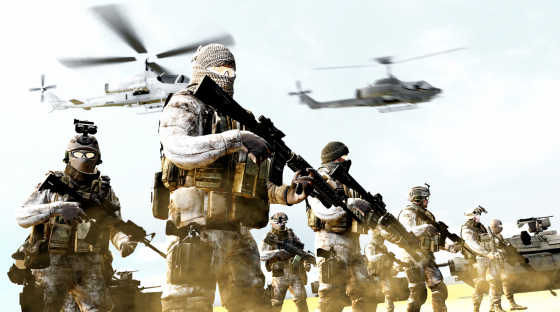 The terrorist organization "Phoenix" Northern Wastes, 50 years ago |
—And from the ashes of the old phoenix a new country shall rise, and the perfect world shall blaze bright, where everyone will be able to obtain all that he desires, all that he is worthy of, and all that he can take.
Qazard the Great[/B]
| Most information concerning Qazard's personality and, in particular, his early years has practically not been preserved, and what remains is extremely difficult to verify for authenticity. For this reason, all of the information just below will not be supported by any (irrefutable) facts and evidence, so it should be treated with skepticism. According to some sources, the dictator's real name is Konstantin; he is about sixty-eight years old and hails from a small colonial state, now evidently absorbed by others and no longer existing. The childhood and youth of the future dictator passed calmly and steadily right up to the moment when his native border town was wiped off the face of the earth by a massive bombing raid during one of the bloody armed conflicts. Most of the residents, including Kostya's parents, were buried under the rubble, but the twelve-year-old boy miraculously managed to escape their unenviable fate. In another instance, the dictator's name appears in history already as one of the commanders of the terrorist organization "Phoenix," having mastered all types of firearms and even cold weapons to perfection, an excellent marksman and a born killer. Konstantin evidently enjoyed great authority both among the rank-and-file members of the group and | 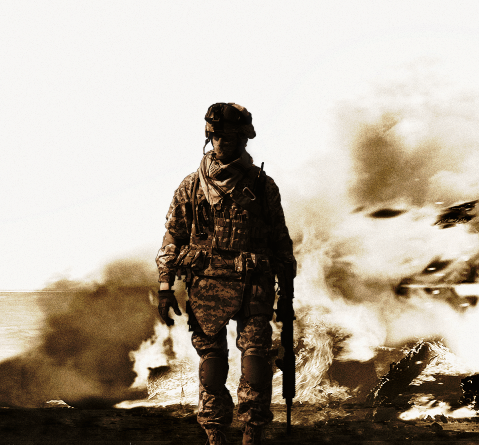 Konstantin, the Catalandos Massacre |
—Konstantin was the only one who disagreed with this proposal. He believed... that it would be the beginning of the end for the organization... He proposed creating a country... apart from the rest of the world... he had been planning it all for a long time... terrorism has no future. He called us terrorists, do you understand?
—Of course, the leadership of "Phoenix" back then simply laughed him to scorn. I myself saw him leaving the command tent, distressed and serious... They told him... to rest and sleep it off. The next morning, all the leaders of our brotherhood failed to wake up.
Reymar Hart, former member of the terrorist organization "Phoenix," three days before his death
| Since Qazard the Great is extremely rarely anywhere outside his own palace in Hramia, and even when he makes short trips he is usually surrounded by a huge number of bodyguards, the accounts of eyewitnesses who have had the honor of paying the dictator a visit differ considerably regarding his appearance. The ruler of Qasardastan is no longer young; he has a somewhat elongated, pale, wrinkled face, a small deep scar on his right cheek just below the nose, eyebrows that are almost entirely absent, an average, straight nose, cold dull-blue eyes, and thin lips. His hair is sparse, noticeably gray at the temples. He is tall, broad-shouldered, with an athletic build, though with age a noticeable stoop has appeared (he may have serious problems with his back), and he limps slightly when walking. He gives the impression of an extremely hot-tempered, harsh, haughty, and self-assured man; in reality he is rather cautious, cunning, and intelligent. With age, his behavior is often subject to frequent and sharp mood swings, which at times prove quite difficult to control. He possesses a certain charisma and an iron will, and is practically impossible to manipulate. He likely possesses some exceptional skills in psychology. | 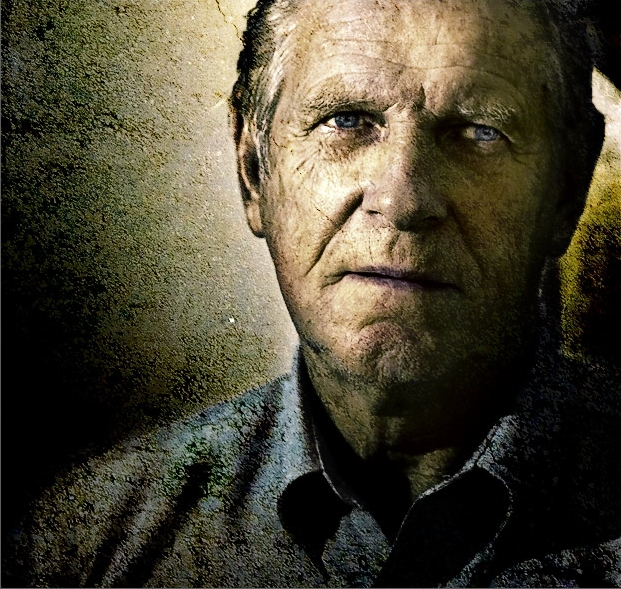 Qazard the Great An approximate sketch (ca. two years ago) |

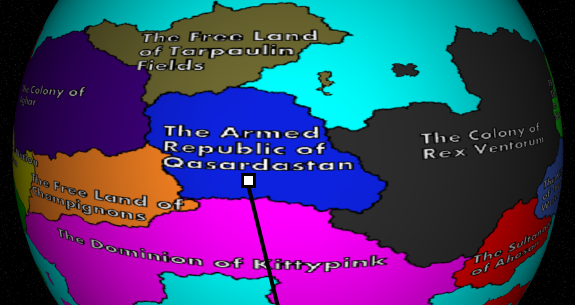
Basic information: Full name: The Armed Republic of Qasardastan (The Armed Republic of Qasardastan) Continent: Actaea (Actaea) Founded: ca. 45 years ago Official language: International (Actaea), Local dialect (Qasardastanian) Type of state: Armed Republic Form of government: Dictatorship (Benevolent Dictatorship) → Corporatocracy Ruler: Qazard the Great (Qazard the Great) |
Additional information: Area: ca. 361,197 zard² (maritime border — ca. 15.4% of total) Population: 85 — 115 million Qasardastanians ↑ Capital: Hramia (residence of Qazard the Great: Temple) State religion: None Currency: Qasard [QZ] Motto: "The more anarchy, the better!" National animal: Phoenix (Phoenix)[/FONT] |
Politics: Neighboring territories: The Colony of Rex Ventorum, The Dominion of Kittypink, The Free Land of Tarpaulin Fields, The Colony of Aghar, The Free Land of Champignons (5) International relations:
Authoritarianism: very low ↑ Defensive strength: above average ↑ Government Size: average ↓ Ideological Radicality: high ↓ Influence: below average ↑ Law and order: very low ↓ Political Apathy: very high ↓ Public goods: low ↓[/FONT] |
Economy: 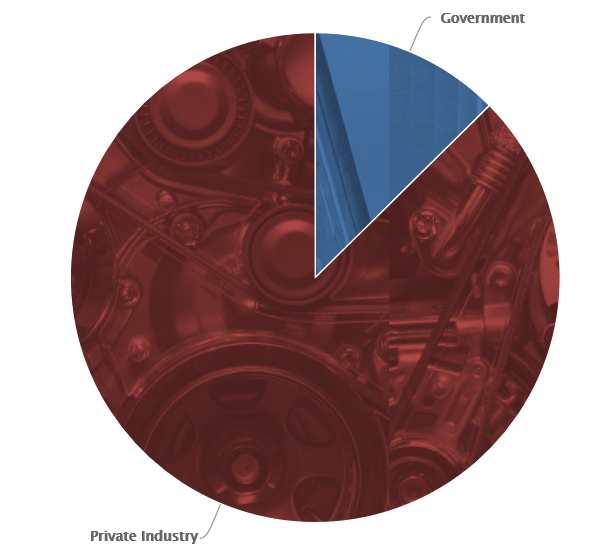 Gross Domestic Product: 7,569,000,000,000.00 — 9,505,000,000,000.00 QZ ↑ Average income: 73,275 — 85,090 QZ ↑ Poorest: 1,848 — 2,206 QZ ↓ Richest: 640,425 — 690,115 QZ ↑ Industry: Private (85.4 — 90.1% ↑) ; Government (14.6 — 9.9% ↓) Expenditure: 774,000,000,000.00 — 849,000,000,000.00 QZ (Defense + Industry > 60% total) Leading industry: Gambling (Gambling) Government economic efficiency: 90% (international financial rating GEE ↑) Trade Net: 7,469,516,288.00 — 10,941,418,304.00 QZ (2) Value of the national currency: 1.09 ↑ Overall economy rating: Prosperous (2) Business Subsidization: above average ↑ Corruption: high ↑ Employment: very high ↑ Income Equality: very low ↓ Overall industrial development: average ↑ (international OID rating) Most Pro-Market: very high ↑ Scientific and technological progress: below average ↑ Agriculture: low ↑ Manufacturing: average ↑ Taxation efficiency: very low ↓ Income gap: very high ↑ Social security: low ↓[/FONT] |
Inhabitants: 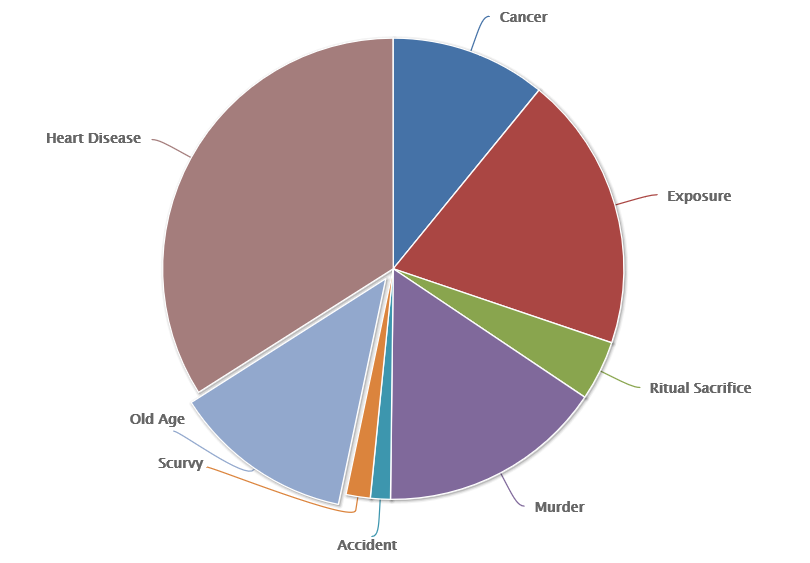 Mortality: high ↑ Most common causes of death: Heart Disease, Cancer, Exposure, Murder Civil rights: Excellent Compassion: very low ↓ Culture: low ↓ Godlessness: very high Happiness: average ↑ Health: very low ↓ Human Development Index: below average ↑ Intelligence: average ↓ Life expectancy: very low ↓ Niceness: low ↓ Nudity: above average ↑ Obesity: very high ↑ Pacifism: low ↓ Primitiveness: below average ↓ Recreational Drug Use: very high ↑ Rudeness: high ↓ Social Conservatism: below average ↑ Stupidity: above average ↑ Unexpected Death Rate: high ↑ Youth Rebelliousness: very high ↑ Weaponization: very high ↑[/FONT] |
Additional information:  Environmental care: low ↓ Environmental Beauty: very low ↓ Safety: very low ↓ Crime rate: very high ↑ Pollution: very high ↑ Weather: very low ↓ Internet domain: .qzd Airline: none International airports: none ISO code: QS IOC code: QSD Telephone code: +218[/FONT] |
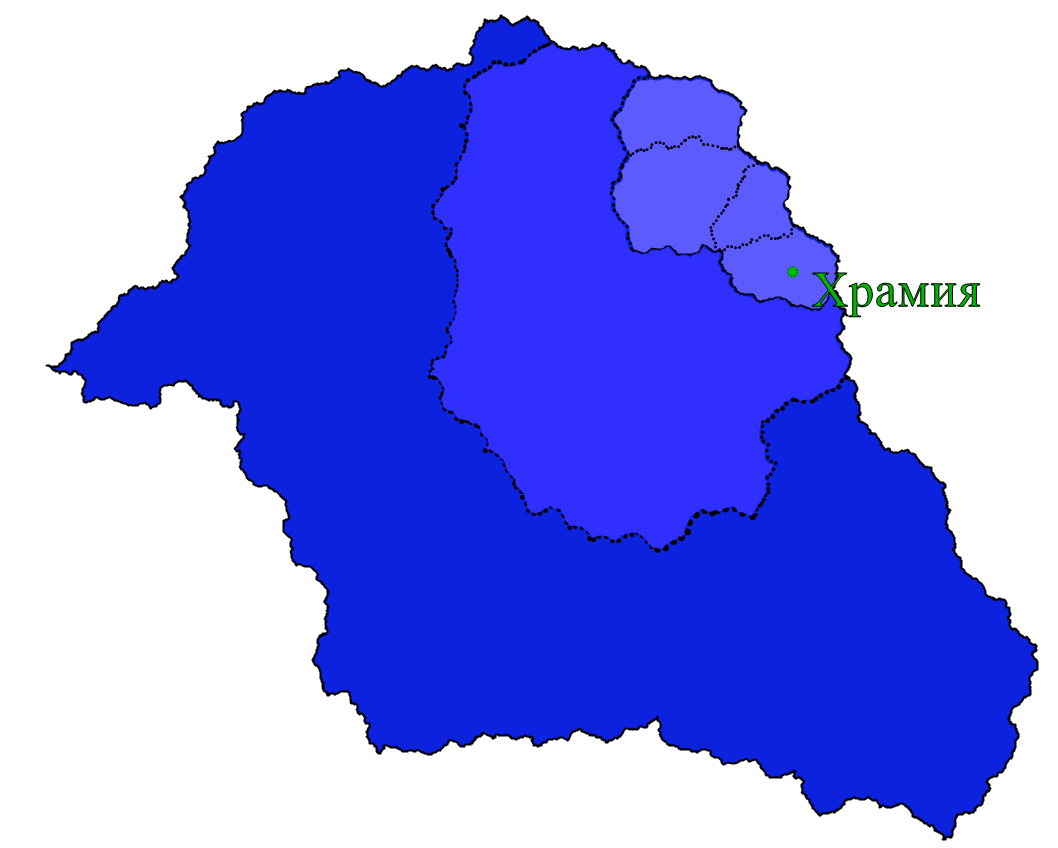 The internal structure of Qasardastan allows the country to be provisionally divided into several sectors that differ significantly from one another.
 Loyalty and Liberty (L&L inc.) Region: Nordarmand Region (north of the gulf) Population: ca. 10,000,000 inhabitants Capital: Nyelondo Leader: Deshen-Chen (41 years old) Specialization: information technology, insurance, retail, food trade, small business, book printing. The most ruthless and smallest of all the associations, L&L is actively developing the fields of technology and strives, come what may, to keep pace with progress. The main opponent of the Hramian Region and the initiator of the alliance with the other corporations, Deshen-Chen — whose father was killed during the Industrial Revolution — is ready to do anything to achieve his goals.[/FONT] |  the Brotherhood of the Wrath (BoW) Region: Mendatal Region (middle of the gulf) Population: ca. 25,000,000 inhabitants Capital: Dusikvar Leader: Bon Bargen (58 years old) Specialization: drugs, liquor, gambling, entertainment. The Brotherhood of Wrath, as it is called by the inhabitants of this, the largest region, live in large families and are always ready to come to each other's aid in the event of a threat from outside. It is through these lands that perhaps the largest volume of drugs in all of Actaea passes; here begins the long road from trading in liquor to the sale of slaves. The most unsafe region in Qasardastan.[/FONT] |  Mitasacker inc. Region: Sakhan Region (south shore of the gulf) Population: ca. 15,000,000 inhabitants Capital: Galeindolf Leader: Thomas Stammer (36 years old) Specialization: automotive industry, mining industry, timber extraction, furniture. The sphere of influence of the Stammer family is small in size, but it is actively engaged in the exploitation of mineral deposits and the felling of forests. The youngest region, but at the same time the fastest-developing one, Mitasacker inc. brings more than half of the qasards into Qasardastan's treasury each year.[/FONT] | Hramia (Qasardastan) Region: Hramian Region Population: ca. 35,000,000 inhabitants Capital: Hramia Leader: Qazard the Great Specialization: Military industry, arms industry. It is no surprise that the overwhelming majority of the country's population lives close to the residence of Qazard the Great in the state's capital — Hramia. The dictator acted very prudently in establishing sole control over the arms industry, while in parallel creating military hardware of various types. This guarantees him and the region's inhabitants protection from possible aggression by other corporations or from external attack. The region with the most powerful defensive system — the bulk of the anti-aircraft, missile, and naval security systems are concentrated right here.[/FONT] |
The weak become food for the strong — such is the law of nature and the foundation of the ideology of the Rex Ventorum corporation. Hector Pride was undoubtedly a strong man: he achieved the position of leader of RVAF at thirty-seven and has remained in that post for the last 4 years. His success is especially underscored by the fact that he was born into a poor family. Toward his parents, while they were still alive, he treated them with contempt, just as he did toward all people who lacked ambition.
"Amory Draco, a useless fat man," he said with disdain in his voice, finishing his reading of the report on the latest combat operation. He clearly disliked this man, and the problem of obesity in the country displeased him even more. "Once again I had to clean up after him. Well, at least this event made the regional community fall silent... at least for a while."
An outside listener might have thought that Hector had the bad habit of talking to himself, but that was not quite the case; a young woman in military uniform was standing behind him and massaging the commander's shoulders, silently listening to his musings. Her name was Laetitia, she was twenty-six, and what she did best was killing other people. Hector had found her eleven years ago among a group of discarded children (those whose parents were in debt to the corporation but had no way to pay it off). She would undoubtedly have had to do the very dirtiest work imaginable, had it not been for her salvation in the person of Hector. The thirty-year-old officer bought the girl and raised her as he saw fit. Now she was his right hand, his best soldier, his daughter, his bodyguard, his mistress, and even his personal masseuse.
For the next forty minutes Hector conferred remotely with the other leaders of the corporation. The talk was of the next round of negotiations, and this time the leadership decided to leave Amory Draco at home and send Hector instead, since he was the more suitable person for a conversation with the leader of the state chosen for the negotiations. "Laetitia, prepare the plane. We are flying to Qasardastan."
"Your Highness!" Richard Lazen Hedge — who for six years now has been the permanent assistant and chief advisor to Qazard the Great — flew into the comfortable, solid office like a bullet. Over that time, better than anyone else, he had learned to sense the dictator's moods and anticipate his decisions. At the same time, Richard was the mainstay of the Qasardastan corporations, the man whom their owners — among the richest people in the region — could trust. Maneuvering to his own advantage between the aging ruler and the monopolies seizing ever more power, the forty-year-old assistant knew perfectly well just how fateful the news he was about to bring to Qazard would be.
To any inexperienced observer, the dictator's quarters on the seventy-seventh floor of the high-rise structure known as the Temple might have seemed insufficiently secure. But in reality, in this place the walls were covered with multilayered cladding of ultra-strong metal, and the armored glass could withstand a hit from a rifle shell. As always, Qazard the Great sat in a comfortable leather chair, legs crossed, reading something. Unlike most of the local residents, the dictator never smoked, drank, or took drugs.
"Your Highness!" Richard feigned exhaustion on his face, as if out of breath from a long run. "I have just been informed that people from Ventorum are on their way to a business meeting with you."
"Really?" came Qazard's pensive voice as he continued to read. Evidently the dictator was in an elevated mood today, which happened to him infrequently. "We do have guests from time to time. And what do they want?"
"I cannot say for certain." The assistant hesitated, wiping drops of sweat from his forehead. "But, I think, it will become clear very shortly."
"Well, let them fly, then. See to it that the safety of their airspace is guaranteed. I am even curious what they need from me in person, heh-heh."
"It will be done." Richard breathed a sigh of relief.
Everything turned out even simpler than he had supposed, and he did not even have to persuade Qazard. All that remained was to warn everyone else, in order to avoid possible problems. Since the semi-abandoned airport on the outskirts of the city was not the best place to receive guests, as usual the landing pad right on the grounds of the Temple was planned to be used for this purpose.
After receiving approval and instructions from Qasardastan, the Rex Ventorum transport headed straight for the Temple, where it landed. Along with Laetitia, three more people arrived together with Hector — two special forces soldiers and, in fact, the pilot. This trio stayed to guard the plane, while the head of RVAF and his assistant went to the negotiations (having first surrendered their weapons, if such was the requirement). Hector was a rather tall and sturdily built man; gray was showing in his blue-black hair, his eyes were the color of a winter sky, his nose straight and long, his face level with a firm chin. The young woman accompanying him was also tall and possessed a trained body, as befits a soldier. The only thing unusual for a person of her profession was, perhaps, her beautiful, neat face and long, golden hair gathered into a ponytail (in the army of Rex Ventorum it is customary to shave all soldiers bald, both men and women). Hector awaits an audience with the ruler, following the instructions of the local representatives of power.
After a successful landing, the guests were met by Richard Lazen Hedge himself, accompanied by a squad of ten armed militants. Five of them stayed with the special forces soldiers from Ventorum, the rest followed with the group into the Temple. Hector might notice that inside the gigantic structure there were far more guards than outside. The building itself was not so remarkable for its height — fortunately, in Ventorum one could find skyscrapers far taller — as for its shape, which resembled something like a regular quadrangular pyramid.
"How was your flight, gentlemen?" Richard inquired politely, beaming a dazzling friendly smile. "Allow me to introduce myself — Richard Lazen Hedge, chief advisor to His Highness Qazard the Great."
The dictator's assistant was rather tall, thin, and stooped, which made the expensive suit look somewhat ridiculous on him. One could also note a thin, elongated oval face, short-cropped dark hair, and small brown eyes hidden behind spectacle lenses.
Meanwhile, the procession came up to the elevator.
"Please surrender your weapons, if you have any, gentlemen," Richard asked politely. "Do not think anything bad of it, but the safety of the ruler is above all else."
After passing through the inspection procedure and a ride on the high-speed elevator, the group stopped at a metal door leading to office number seventy-seven. Here the armed guards did not follow Hector and Laetitia, and soon, in Richard's company, they found themselves in Qazard's quarters. Opposite the chair occupied by the dictator stood a small sofa and a couple of comfortable chairs.
"Make yourselves comfortable and feel at home." The dictator reluctantly tore himself away from his reading. "Though I am not particularly fond of receiving guests," he added.
Of weapons, Hector had only a pistol; Laetitia had to surrender somewhat more: an automatic rifle, a similar pistol, several grenades, as well as a pair of combat knives.
Upon meeting the ruler of Qasardastan, Hector Pride slightly inclined his head in a sign of respect, after which he immediately got down to business.
— Honorable ruler of these lands, the board of directors of Rex Ventorum is concerned about the situation in the region and is therefore seeking allies to create a powerful political and military alliance capable of repelling the lunatics and socialist-fascists who surround us. — Having finished this phrase, Hector handed Qazard the Great the document he had until then been holding in his hands. On the title page one could see a large number of signatures written in various hands, and it was precisely the signatures of all the persons directing the corporation, together with the electronic seals, that attested to the authenticity of the document. The basis of the treaty consisted of clauses on non-aggression, mutual defense, open borders, visa-free travel, free trade, and the like. — I am authorized to speak on behalf of the corporation, and so I can hear counter-proposals and introduce amendments to the treaty. Upon the signing of this document, we will be able to move on to the discussion of more global or, conversely, local issues, should any arise.
Qazard the Great ran his eyes over the document, then handed it to Richard, who set about a detailed study of the treaty. Having finished with this, he nodded to the dictator.
"I understand..." Qazard began. "Difficult times have come, and Qasardastan can no longer stand aside as it did before. My strength has diminished somewhat, I have gone soft altogether. And so one inevitably begins to think about the future of one's people. In my youth I imagined Qasardastan somewhat differently, but that was an ideal..." — the dictator fell to thinking. — "An unattainable ideal. In you," — Qazard turned to Hector, — "I see a strong and strong-willed man who has achieved everything on his own. Am I right, am I not? Yes, of course I am right. Well, Hector, it is on people like us that any state rests. And I am glad to see that such people still exist. Rex Ventorum may count on the support of Qasardastan," — after a brief pause the dictator concluded with a sigh, — "but I cannot give you any guarantees that this treaty will continue to operate in the event of a more favorable situation arising in the region. What is it that needs to be signed?"
After the conclusion of the treaty, Hector nodded with satisfaction. — "Magnificent; this document will serve as a splendid foundation for the formation of our alliance. As a gesture of goodwill, our organization is prepared to offer you assistance in the supply of armaments and the improvement of your technological level: Rex Ventorum possesses the most powerful military industry and is also the regional leader in scientific and technological development. Now, regarding our further plans — do you see anyone among our neighbors who could become a potential ally?"
"Well, I am glad that we were able to come to an agreement on such favorable terms and in so short a time," the dictator remarked. "I do not like to drag out negotiations. As for your question, you had better put it to Richard." — Qazard cast a glance at his assistant.
"Yes-yes, of course." The advisor, who until then had been wiping his spectacle lenses with a handkerchief, which was promptly tucked away into the inner pocket of his jacket, grew flustered. "As for the neighbors, esteemed Hector, you should probably consider, perhaps, The Theocracy of Shaylion, as the only more or less suitable state sharing a border with Rex Ventorum. They are currently experiencing a serious economic crisis and might be interested in financial aid from outside. The only question is whether you should take such a burden upon yourself... Or, for instance, The Sultanate of Ahasan, which is beginning to rise confidently from its knees. I do not know what moods currently prevail in that country, but a large share of private industry may indicate that you could find common ground, probably. Or, on the contrary, you could not."
"And as for the countries in the immediate vicinity of Qasardastan's borders," the carried-away advisor continued, "here it is difficult for me to advise anything; the situation, to put it bluntly, is very unfavorable." — Richard sighed sadly. — "However, I think that in Ventorum they are much better informed about this sort of question, yes."
"Truth be told, we already had plans regarding that theocracy; their geographical position leaves them no options for maneuver on the political stage and at the same time offers its own benefits for both sides. We shall also try to establish contact with Ahasan. As for Qasardastan's neighbors... The Free Republic of Champignons does not inspire confidence; the leaders of that state are either devoid of reason or are utterly incompetent. Conflicts on ideological grounds may arise with the Free Lands and Aghar, and our relations with Kittypink have always been tense... Perhaps we should reconsider that point. Be that as it may, my task here is done and I must be on my way; thank you for the reception, stay in touch."
"Thank you for the honor shown!" the assistant beamed in a friendly smile.
"I hope that our cooperation with Ventorum will be fruitful and mutually beneficial. Richard, be so kind as to escort the guests to their plane and return the confiscated items," Qazard ordered his advisor.
From the Historical Archives
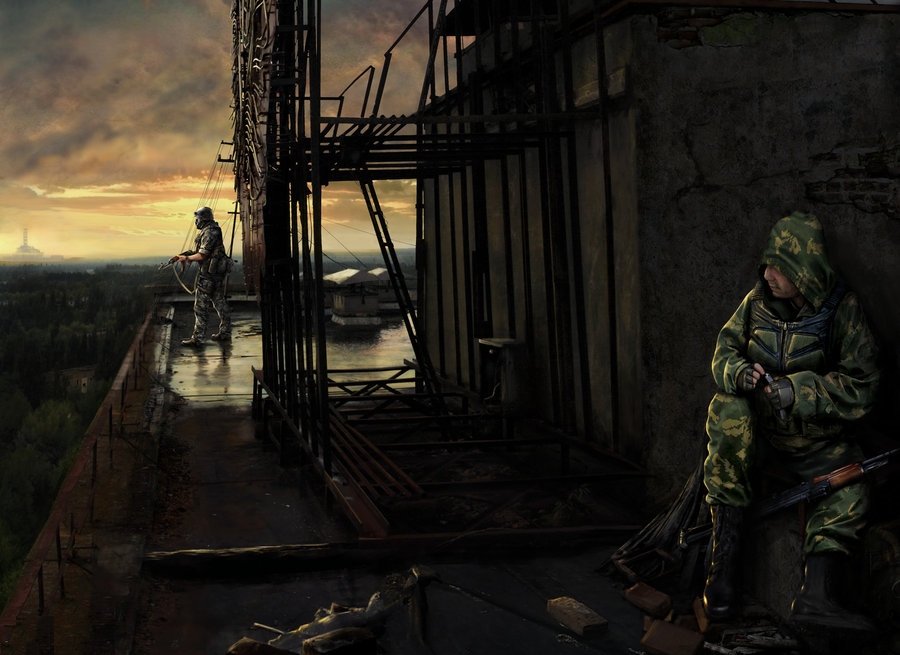 Since in Qasardastan, as such, no laws exist at all, this readily explains the off-the-charts crime rate in the country and the huge percentage of murders of the total number of deaths. However, in the state there are in fact essentially no criminals, gangsters, black markets, and the like, since all of that is absolutely normal and commonplace. It is impossible to call anything "illegal" in a country where these very laws simply do not exist.
| Economy Despite its many shortcomings, Kvasardastan is a fairly powerful economically developed state, mainly because it can easily trade in natural resources and build production facilities in almost any number, size, and scale, since it has absolutely no concern for safe waste disposal, workers' rights, or similar matters. The country's thriving economy is strongly supported by the gambling industry, arms and drug trafficking, and the sale of timber, raw materials, and certain natural resources. Corporations do not allow competitors into this market, which makes it possible to conduct a completely safe monopolized business without worrying about potential rivals. Trade is carried out mainly through the waters of the northern gulf, so ship ports, huge shipyards, and cargo docks are actively being built along the whole coast. Most refugees and fugitives enter Kvasardastan in much the same way. General information 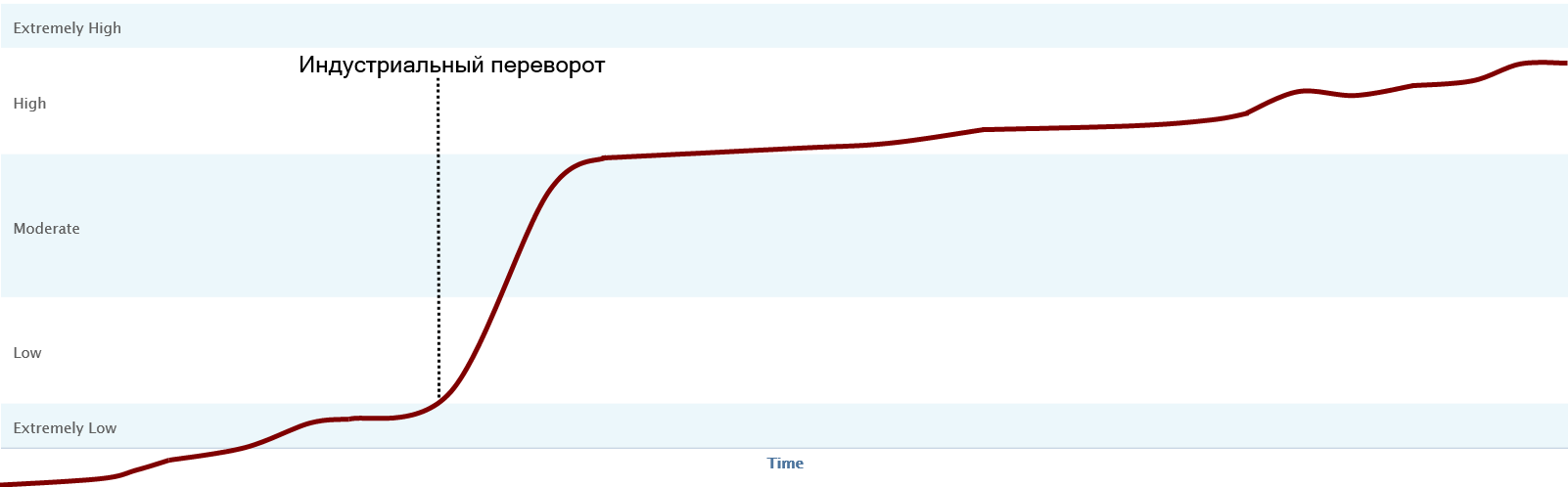 It is not hard to guess how strongly the industrial revolution that occurred about two and a half decades ago affected Kvasardastan's economy. The "entrepreneurs" had enthusiasm to spare, and the deserted northern wastelands unexpectedly turned out to be full of rare resources that could be traded with ease. It is not hard to guess how strongly the industrial revolution that occurred about two and a half decades ago affected Kvasardastan's economy. The "entrepreneurs" had enthusiasm to spare, and the deserted northern wastelands unexpectedly turned out to be full of rare resources that could be traded with ease.Overall, Kvasardastan currently holds leading positions in Actaea, simultaneously ranking among the first places for both the highest and lowest income levels of the population (annual global IEF ranking). Social inequality in the country reaches incredible heights. Agriculture, unsurprisingly, is practically undeveloped or weakly developed in the northern parts of the country, while industry is actively growing. Kvasardastan receives enormous income from trade, which has only increased after the alliance agreement with Rex Ventorum. Information technology and food trade have not proved successful, so they serve only the needs and maintenance of the state's richest citizens, whereas alcohol, gambling, drug trafficking, and the arms trade are widely popular abroad as well, mainly because they are cheap. National currency The generally accepted currency in Kvasardastan is the kvasard, introduced and issued by the government in the person of one man about twenty-six years ago. At present its value and exchange rate continue to grow, holding one of the leading positions in Actaea with an index of 1.09 in the vncr currency valuation rating.
|
A fairly obvious question arises: why do they not leave such hostile lands? The answer is just as simple: once a person gets into Kvasardastan, he has very little chance of returning. This is not only because of the supposedly large number of thugs with weapons in their hands, but mainly because the only possible exit from the country lies through the waters of the northern gulf, controlled by the state authorities. Of course, for a time a person really does feel free, but this does not last long. Most likely, in the very near future some very unpleasant people will visit you, and your luck will determine whether you fall out of their favor and instantly become a lifelong debtor to one of the corporations, or succeed and become a wealthy person who denies himself nothing.
But even if that does not happen, it cannot continue forever anyway. However much freedom a person has, he will still need a place to live and food, which are extremely difficult to find on one's own. This is where the main deception happens: one has to look for work, offering one's services to one of the employers and agreeing to inhuman working conditions. This is the line, and beyond it there is no way back. If your own life is dear to you, you have to toil day and night without rest, receiving miserable pennies or simply a piece of stale rusk for the week, which someone will most likely take from you immediately. Indeed, only the strongest can succeed in this country and avoid falling into the clutches of one of Kvasardastan's powerful cartels.
Leonid Vral, renowned world scholar, researcher, traveler
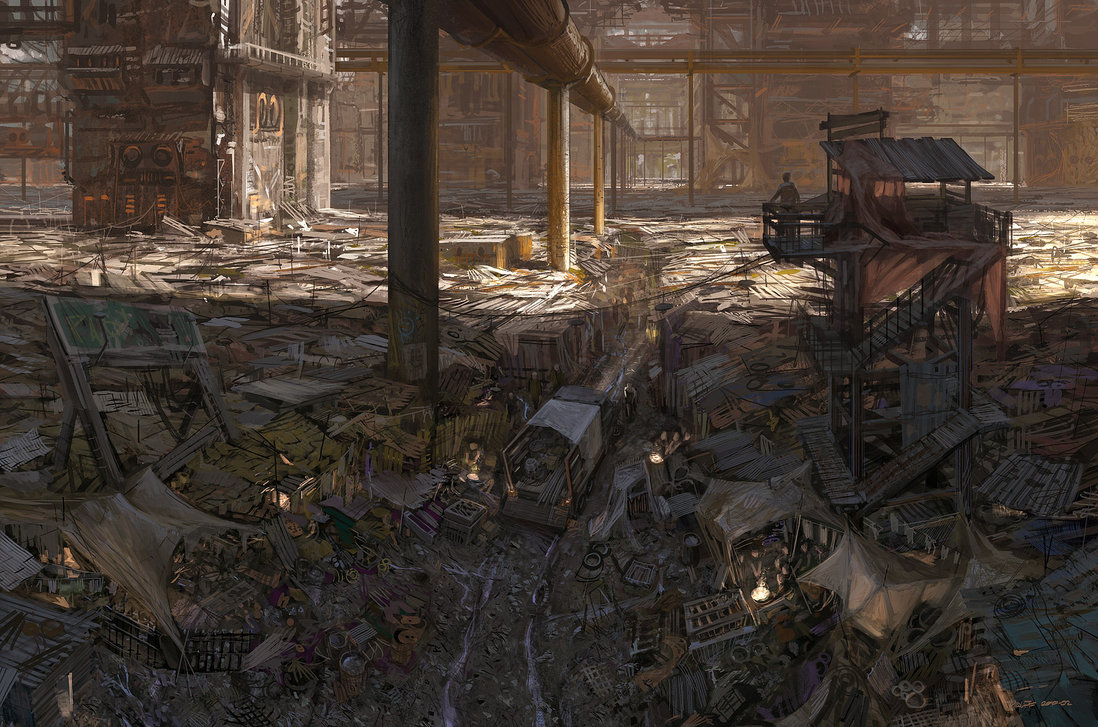 Mortality
| The climate as a whole can be described as temperate continental, with an average annual temperature of about twelve degrees above zero, which does not differ greatly between summer and winter. Increased cloudiness and frequent precipitation in the northern parts of the country, combined with dry weather in the south, led to the formation of enormous swamps that now cover much of the state. Kvasardastan lies on a vast plain blown through by cold winds, which makes the atmosphere even more dreary. Wildlife is represented by some species of small plants and shrubs, as well as a few animals and birds, most of which have been destroyed since the Industrial Revolution. Kvasardastanians breed phoenixes, which are the national animals and are currently on the verge of extinction. Minerals The country's few mountain elevations are rich in valuable rocks, minerals, non-ferrous, ferrous, and precious metals, and ores. Clay, sand, limestone, and mineral salts are actively mined; rocks valued in jewelry are occasionally found. Mineral deposits support the extraction of oil, natural gas, and coal, while the huge swamps serve as a source of peat. | 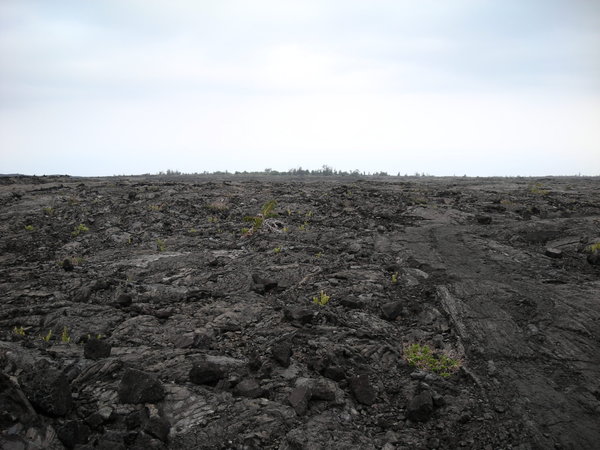 | 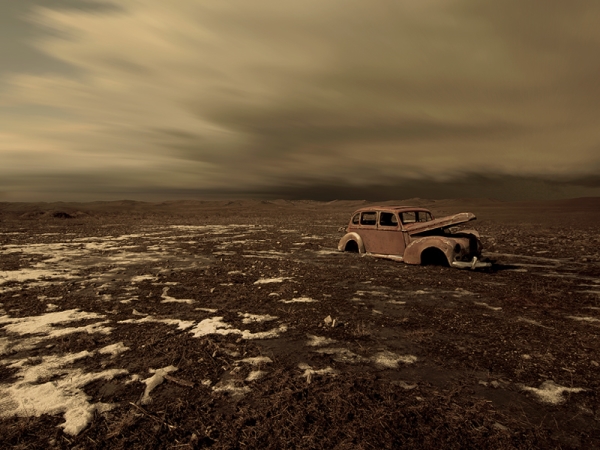 | |
| The mining industry is developing at full speed, with plants being built to process and refine raw materials, something that was not done before because the necessary technologies were absent; most forests have been completely cut down and sold off. | Northern wastelands, Kvasardastan (Summer/Winter) | ||
At present no funds from the state budget are allocated to environmental care at all. Enormous territories have been polluted by industrial waste, many species of living creatures and plants have been destroyed, swamps and rivers drained, and forests cut down. According to the international toxicity ranking, the state holds first place on the continent. Nature has been disfigured beyond recognition; huge garbage dumps fill the outskirts of cities, and all of this has a disastrous effect on the health of the people living in the country. The damage done to the environment in twenty years is so serious that nature will need about three thousand years to recover and heal from this terrible shock on its own. Worst of all, this is far from the end. The borders of the Inner Region are rapidly narrowing, while the lifeless wastelands continue to grow. Forecasts by leading specialists in this field say that in fifty - at most seventy - years Kvasardastan will cease to exist, if it does not happen sooner. By the way, just look at its eastern neighbor, the Rex Ventorum corporation! That is another example of the most terrible... Languages There is no official language in Kvasardastan; most townspeople know the main international language. Nevertheless, among the lower strata of society, the so-called "Kvasardastanian language" is actively used for communication, a mixture of the local tongue and several foreign dialects. This language differs little from the international one, but most words in it are distorted, shortened, and pronounced incorrectly, including stress placement; grammar and punctuation as such do not exist, but in use it is much more convenient than its older brother. The main speakers of the Kvasardastanian dialect are workers in most industries, as well as slaves and all other dregs of society. | 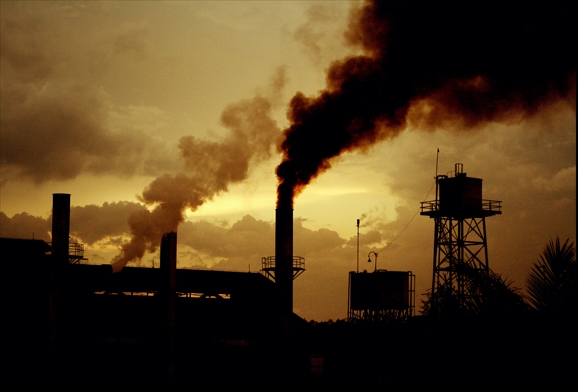 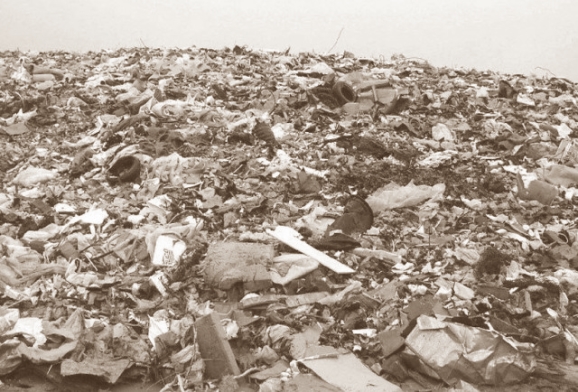 |
| The largest city in Kvasardastan, with the most developed infrastructure and the largest population, is Khramiya, named after the palace of Kvasard the Great located here. About 80% of local residents belong to the so-called lower strata of society, while the share of the state's richest inhabitants is highest here (about 4% of the city's population and 70% of all rich people, respectively). A runway for airplanes is located on the city's outskirts; from the very center, a road leads straight to the Khramiya port, one of the largest in the region and the largest in the country. The city also contains many plants and factories, mainly producing various kinds of armaments. Local residents earn slightly more on average than in the rest of the country, and there is an elite district for the wealthiest townspeople. Among other things, most defensive complexes intended to protect the local population from a possible enemy attack are concentrated here. | 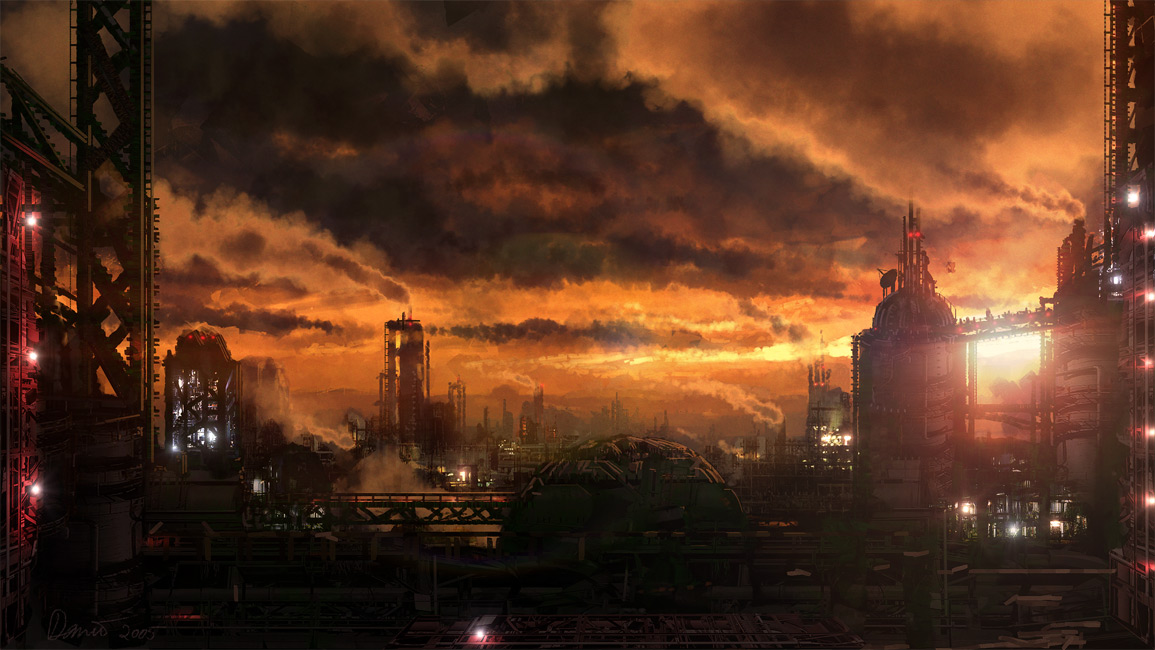 | 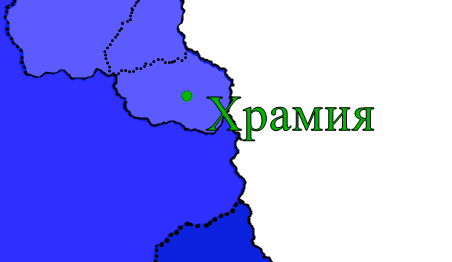 Capital: Khramiya Region: Khramiya Region Governor/mayor: none (Kvasard the Great) Population: approx. 15,000,000 people Industry: Weapons, military equipment Military power: high ↑ Average income level: 80,114 QZ ↑ Poorest: 6,210 QZ ↓ Richest: 2,498,400 QZ ↑ Employment: very high ↑ Standard of living: low ↓ Security: very low ↓ Environmental care: very low ↓ |
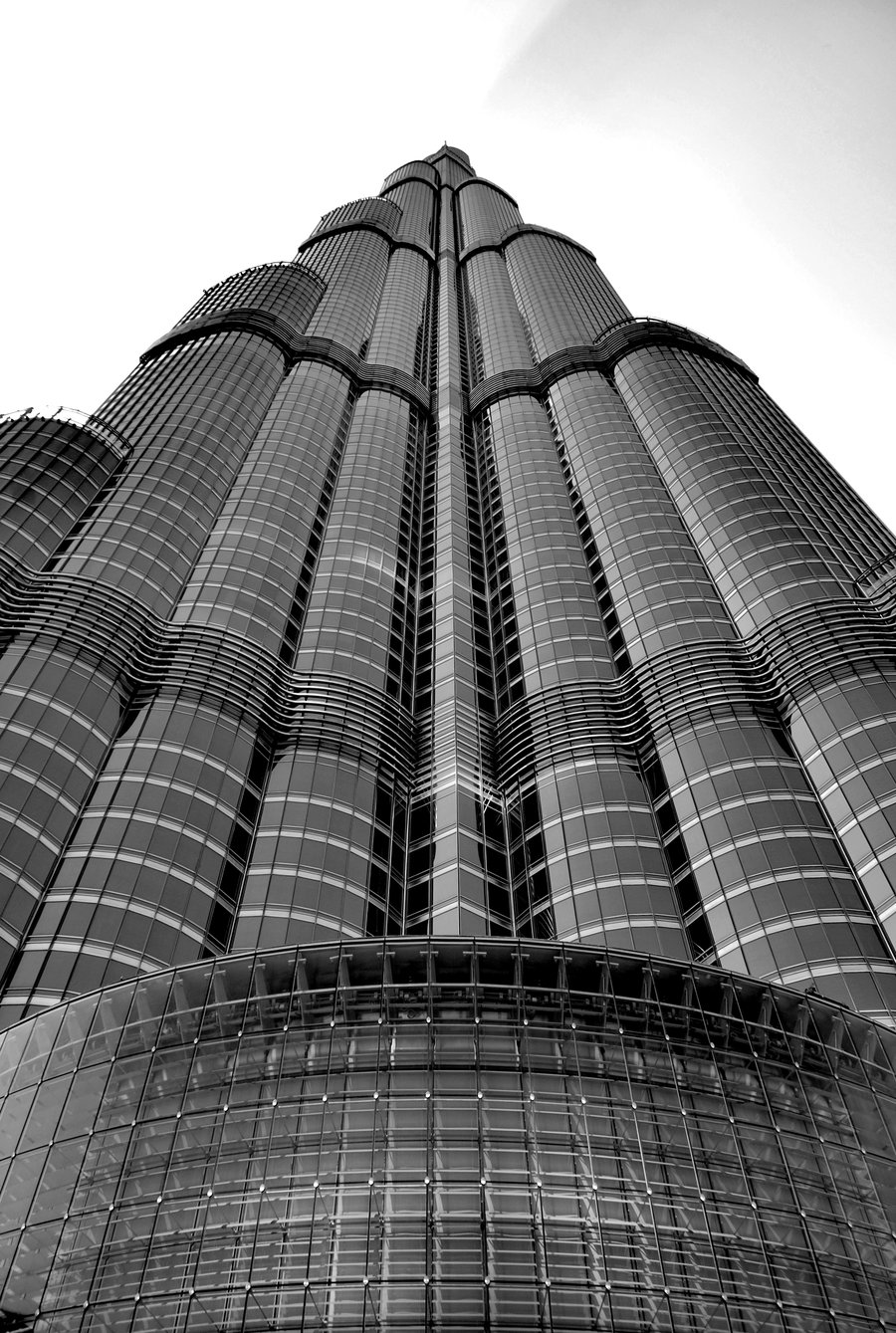 Temple, capital of Kvasardastan | The tallest building in all Kvasardastan (about one hundred floors, total height over six hundred meters), serving at once as a palace and a fortified fortress for the ruler of the state, Kvasard the Great. It is also the most heavily guarded facility in the country and one of the best fortified against possible enemy attack. About 50 floors of the Temple are given over to the needs of internal security and guard service; it has an auto workshop, a hangar for combat helicopters, a fortified underground parking area with space for armored personnel carriers and tanks, and a bunker, as well as several luxurious restaurants, a library, a cafeteria, an art gallery, and even an oceanarium. In short, absolutely everything a dictator might need and for which there is no need to travel anywhere. A small runway is located on the roof of the structure, and another like it exists near the main entrance. The entire territory around the Temple is fenced off and entry is strictly forbidden; more precisely, no sane person would even think of going there. The perimeter is reliably guarded by Kvasard's people, including sniper units that never lose vigilance, and there are even more guards inside the structure. Kvasard recruits only the most loyal and devoted people here and pays them decent money simply to remain in constant combat readiness. The skyscraper's windows consist of thick armored glass; the walls are hidden under cladding made of super-strong metal alloys, some of which can absorb harmful radiation; a high-speed elevator is ready at any moment to carry the ruler to the lower levels, which can isolate their owner from possible hits by super-heavy bombs, including weapons of mass destruction. Kvasard's private chambers are located on the seventy-seventh floor, and no one except certain people and his assistant is allowed to enter without special permission from the dictator himself. Around the Temple and inside the building there are several air-defense systems, as well as anti-tank and anti-personnel guns, missile weapons, all kinds of scanners, and ultra-long-range radars. In addition to all the above, there are plans in the very near future to equip the palace with a missile-defense system involving the use of weapons of mass destruction, but at present Kvasardastan's technology does not allow the use of any effective nuclear warheads. The recently concluded alliance with the industrial giant Rex Ventorum will probably change this very soon. Kvasard's own dream is to adopt ultra-high-yield neutron bombs that could not only deal effectively with a possible threat of nuclear attack, but also significantly increase Kvasardastan's own power. Overall, the Temple is at once the most luxurious, majestic, and well-protected facility in the entire state. As a famous local proverb says: "If not by quality, then by quantity." Kvasard the Great seems to think similarly, continually reinforcing the enormous pyramid-shaped fortress located in the very center of Kvasardastan's capital. National animal 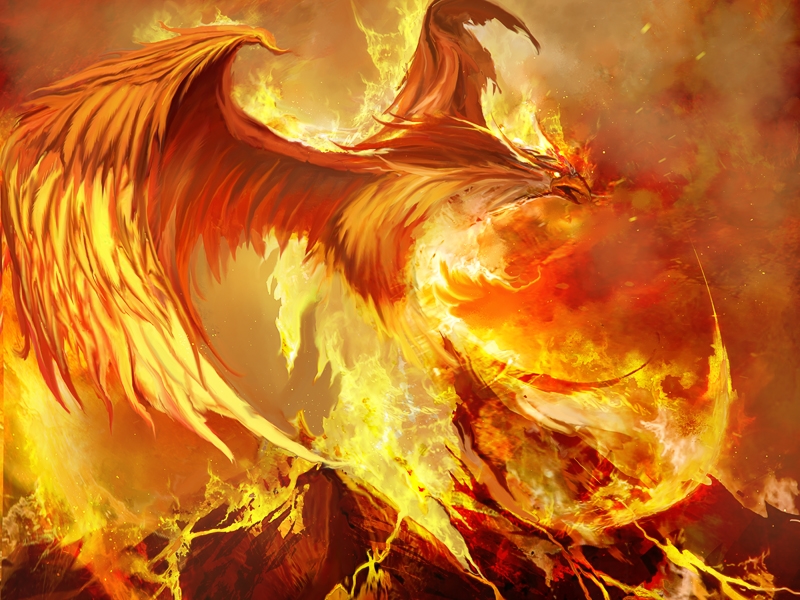 It so happened that since the creation of Kvasardastan, the Phoenix has been chosen as the national animal. Obviously this came from the name of the very terrorist group to which today's leader of the state probably belonged, but why the militants themselves chose that name remains a mystery. It so happened that since the creation of Kvasardastan, the Phoenix has been chosen as the national animal. Obviously this came from the name of the very terrorist group to which today's leader of the state probably belonged, but why the militants themselves chose that name remains a mystery.There are, however, a number of assumptions about this; one of the most popular is the comparison of these amazing creatures' habitats with the regions where the brotherhood had the greatest number of supporters and where it could take root. Based on this information, one can draw the obvious conclusion that the organization owes its name precisely to phoenixes, and from it these creatures became the national animal of an entire country. Phoenixes are fairly large flying birds, whose wingspan sometimes reaches four meters, once widespread in the swampy terrain of the northern wastelands, whose local microclimate was evidently ideal for them. These creatures have bright red plumage, which, together with rapid wingbeats, can create a certain appearance of real flame, excellent for frightening off unfriendly outsiders. Phoenixes live up to fifty years, though true long-livers are also found among them. As was later discovered, guesses about the possible incredible properties of phoenixes and their | |
| ability to self-restore turned out to be no more than meaningless myths. Still, most adult specimens really do have fairly strong regeneration of internal organs and recovery after external injuries. The assumption that phoenixes supposedly love hot and dry places also proved obvious nonsense; rather the opposite, these birds do not like heat at all. Phoenix chicks hatch from eggs completely blind and naked, and only after two or three weeks do they grow plumage, gain sight, and with it the ability to fly and hunt. On average, phoenixes reproduce infrequently, about once every three or four years. The birds are omnivorous and can easily assimilate and digest animal meat, including human flesh. They are rather timid unless defending their offspring, and like all birds they are stupid, though they can be trained. Phoenix meat, like its plumage, has always been valued and respected. Mainly for this reason, and also because of environmental pollution in Kvasardastan, almost none of these beautiful birds remain. At present the birds are kept in special enclosure-nurseries in an attempt to preserve the existing population. Phoenixes reproduce extremely inefficiently in captivity. Therefore the price of a delicacy made from their meat rises every year, and the feathers are valued literally at their weight in gold. | ||
Небо – мольбы не ждёт
Небо – угроз не слышит
Небо – ведёт особый счёт
Небо – тебя найдёт
⚔︎ Рыцари Тезота: Персонажи | События ⚔︎
По вопросам модерации: [email protected]
 Heroist
