Connection ErrorBad RequestThis page went staleSession ExpiredSign in requiredForbiddenNot FoundToo Many RequestsServer ErrorBad GatewayService UnavailableGateway TimeoutHTTP Version Not Supported
Session Expired
Your session has expired. Please log in to continue.
Sign in required
You need an account to do that. Sign in or create one — it only takes a minute.
This page went stale
Your security token was rejected, usually because the page sat open too long or you signed in elsewhere. Nothing was saved. Reload the page and try again.
Request Failed
We encountered an issue while processing your request.
Please check your internet connection and try again.
Constellation of the Hero +3 to three characteristics of your choice, +1 SP, +3 AP, +20% to resistance (2, 3, 5), 20% chance to activate an additional turn after the previous one ends, but no more than once per phase.
Constellation of the Thinker -1 to strength, -1 to agility, -1 to endurance, -1 to perception, -1 to speed, +1 to intelligence, +1 to spirit, +1 to faith, +1 to charisma, +1 to beauty, +0.2 to experience gained, +10% to magic power, +30% to will, +20% to creation, +20% to etiquette and leadership.
Origin Royenthal: -2 to spirit, -1 to faith, +2 to agility, +1 to perception, +1 SP and +6 AP for one specialty of your choice: firearms. Engelshofen: +1 to charisma, +1 to beauty.
Ringleader Adventurer Brawler Scoundrel Thug Pack Leader
Inventory: A Collection of Tales about the Great Heroes of Wisteria — the book's authenticity is not known for certain, and one can only guess how much of the stories described in it is true and actually took place in the real past. The Book of Great Deeds of R. Kraffmeyer — recounts the baron's feats and achievements. Stylish suit Musket Paper and writing supplies Family signet ring Cape with family insignia Remaining savings
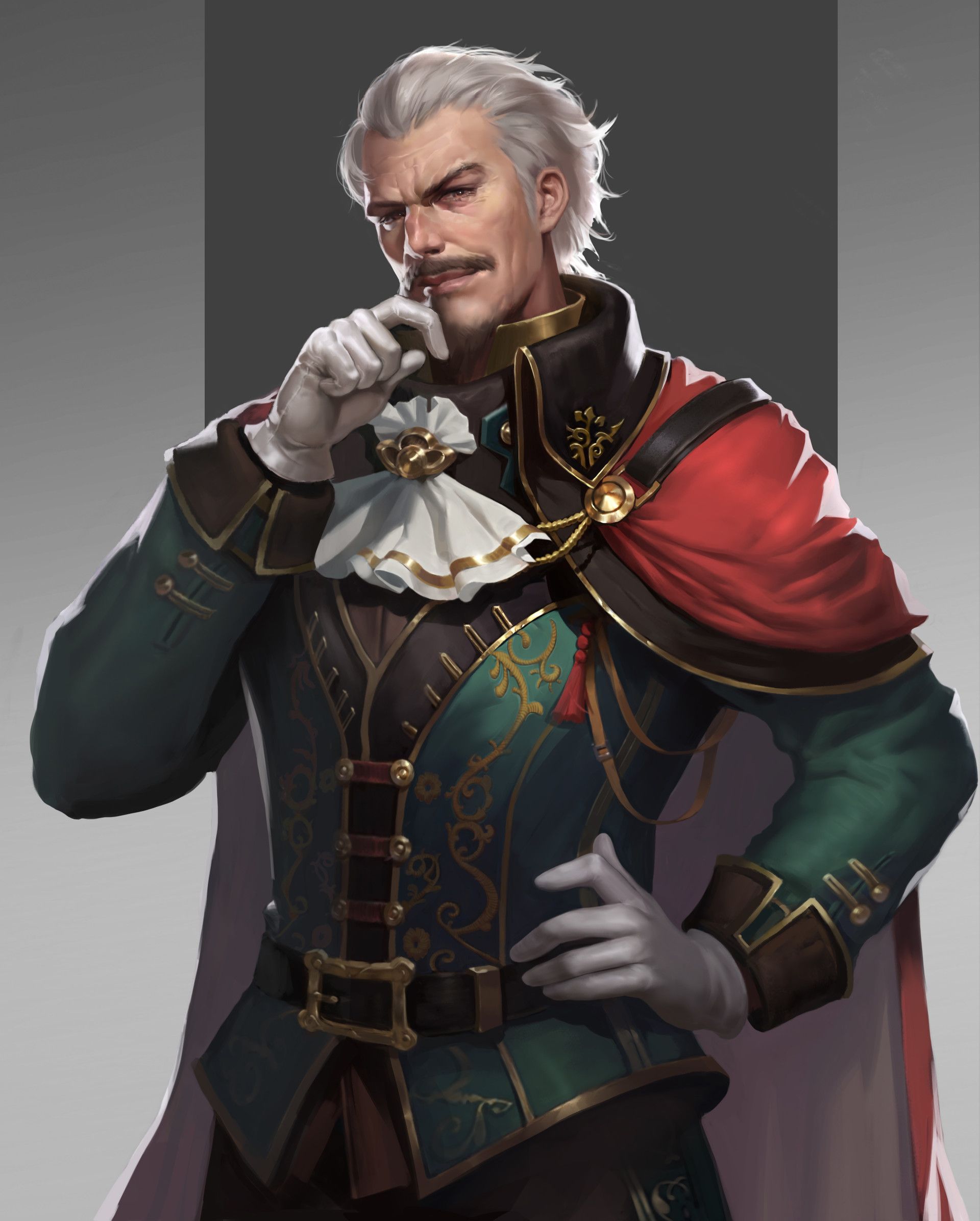
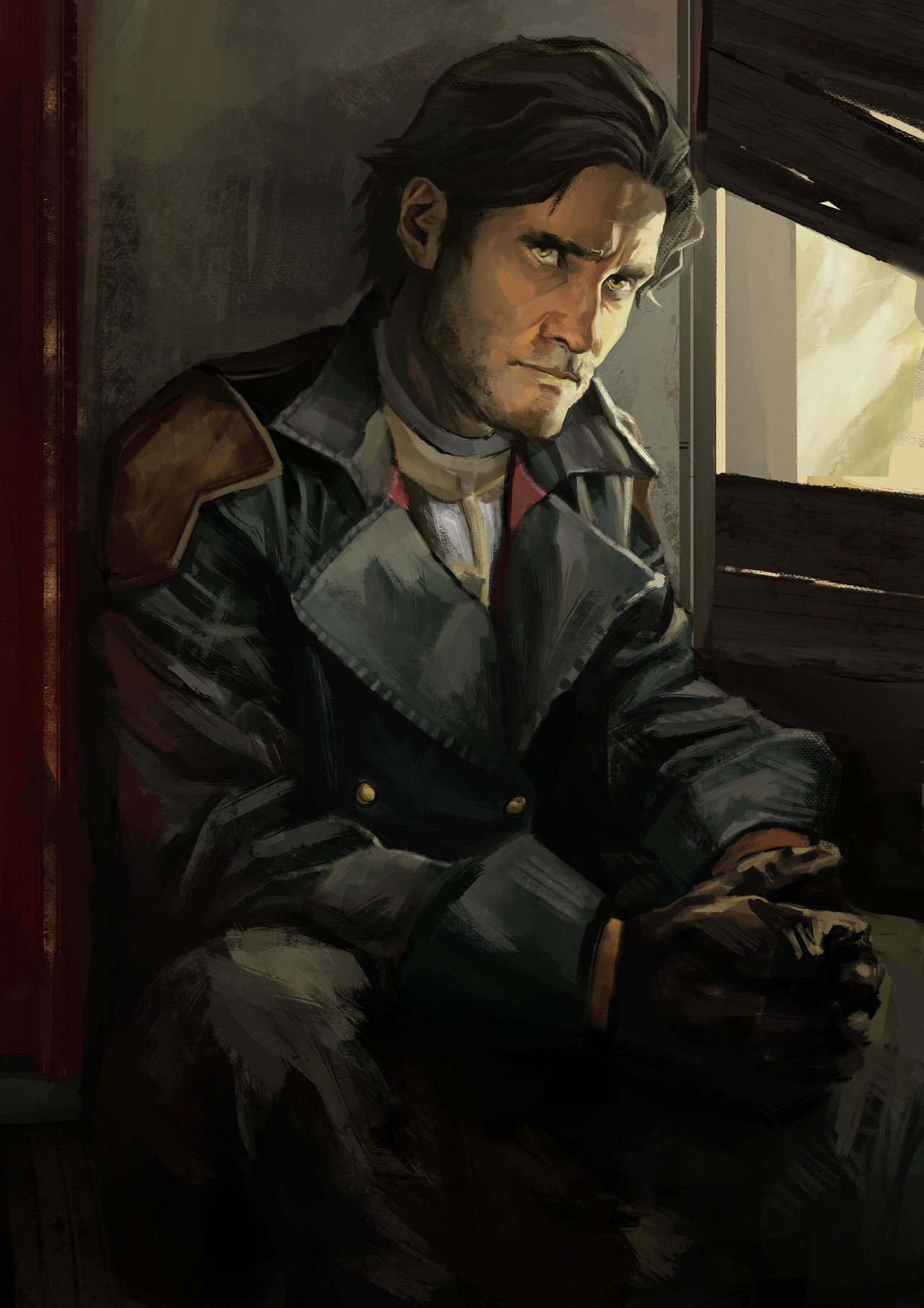
Zerek
""April, 700
Constellation of the Serpent The character can use stealth without having the corresponding skill; if he already has that skill, he also receives +50% to stealth; +50% to marksmanship.
Constellation of the Eagle +2 to speed, +1 to perception, +30% to observation, +20% to marksmanship, +20% to evasion, +15% to air resistance, +30% to air efficiency.
Origin Royenthal: -2 to spirit, -1 to faith, +2 to agility, +1 to perception, +1 SP and +6 AP for one specialty of your choice: noble robber. Ceschwitz: +2 to perception.
Adventurer (-location exploration) Brawler Scoundrel Thug
Inventory: Light armor Inconspicuous cloak Crossbow Knife, rope, trap-making supplies (?) Lockpicks Deck of cards Looted jewels Other savings
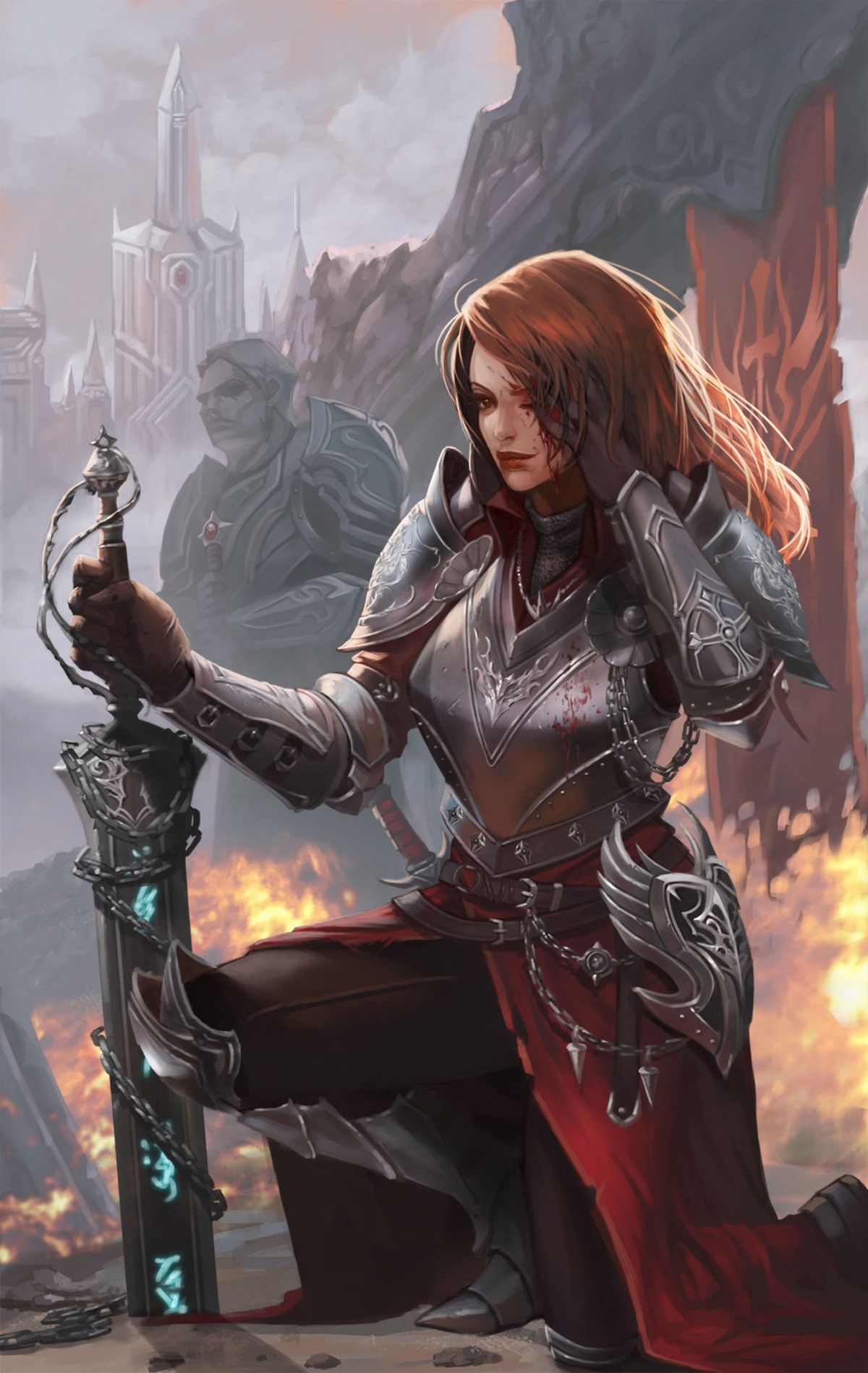
Ilensia
""July, 702
Constellation of the Warrior +30% to health, +50% to resilience, +50% to power, +1 SP and +3 AP for warrior skills.
Constellation of the Hydra +1 to strength, +1 to agility, +1 to endurance, +1 to perception, +1 to speed, -1 to intelligence, -1 to spirit, -1 to faith, -1 to charisma, -1 to beauty, +25% to power, +25% to resilience, +15% to marksmanship, +15% to evasion, +10% resistance to physical damage, +10% to health.
Origin Royenthal: -2 to spirit, -1 to faith, +2 to agility, +1 to perception, +1 SP and +6 AP for one specialty of your choice: swindler Droysen: +2 to endurance.
Inventory: Heavy armor Two-handed sword Healing potions or equivalent (if allowed) Other savings
Darbon
""December, 668
Constellation of the Lyre Experience gained is increased by 0.5, +35% to magic power.
Constellation of the Empress +2 to intelligence, +1 to beauty, +20% to magic power, +30% to magical energy, regenerates 5% magical energy per turn (only in battle, once per phase), +15% to water efficiency and resistance.
Origin Royenthal: -2 to spirit, -1 to faith, +2 to agility, +1 to perception, +1 SP and +6 AP for one specialty of your choice: swindler. Neihing: +1 to intelligence, +1 to agility.
Inventory: Traveling staff Talisman with an hourglass symbol Other savings
A very brief description + pics of the henchmen and skills is enough.
A moderately brief description (the very last part after *** if the link does not work)
***
This evening had definitely turned out to be the worst of Zerek's life. Because of a rotten rat who had wormed his way into their group, the whole job had gone to hell, and now he was alone, like a wounded wolf, weaving through a forest of poor little houses sagging with age, vainly hoping to shake off his pursuers. The fresh wound only made his situation worse; doubly unpleasant was the realization that he had not noticed the enemy's attack at all: the blade of a one-handed sword had slashed him under the ribs, sharp steel burning through flesh like flame. Leaning his back against a cold stone wall, Zerek let out an uneven breath and looked around. The blackness of night had swallowed the dead city streets whole. Weak, distant rays of artificial light only uselessly dazzled his closing eyelids, taking the strangest shapes and casting faceted gleams and silhouettes, as if after a good drinking bout. Turning aside, the robber slowly hobbled along the high wall, steadying himself against it with his free hand. With the other he kept clutching a heavy sack, refusing on principle to abandon the thing for which he had taken such a risk. Concentrating all his remaining strength on staying conscious, Zerek left the rest of his rescue to his legs. Luckily, they did not fail him: easily finding a familiar gap in the stone barrier, they led him into a small park bound in the darkness of nocturnal silence. From here their lair was a stone's throw away, and there the bandit could inspect the wound and rest, but a sudden thought pierced his mind: going there under the circumstances would simply be a death sentence. After a brief hesitation, Zerek headed for the far side of the park, somehow climbed over a low hedge, and, bent with pain and exhaustion, trudged toward the grand manor black against the night. He remembered that some minor baron lived there, but that did not concern him much now. Clearly feeling the last of his strength leaving his exhausted body, the robber seized the door handle and hammered at it with his boot. A stupid, reckless act prompted by the dying gasp of the human instinct for life. Somewhere in the distance came the noise of human voices, heated shouts: they were chasing him. Slow footsteps also sounded on the other side of the door. —Who has dared disturb the peace of the honorable Baron Kraffmeyer? —Open... —Zerek mumbled with difficulty. —Could it be in response to the notice for my new order? —the speaker's tone shifted to lively interest. The heavy bolt immediately creaked, and the door swung wide open, blinding the bandit with the bright light of a lit lamp. At that moment Zerek's consciousness finally left him, and he simply fell inside, collapsing at the feet of an astonished gentleman in an expensive suit. —Oh, what has happened to you? What is this? Blood? Well, as the great hero Mitziar used to say, "What is a drop of blood?" Though wait, this is not a drop at all! Oh, my favorite carpet! —was the last thing he heard.
Once, as a child, Zerek too had listened with interest to stories about the great heroes of antiquity. He, his brothers, and the neighborhood children loved to gather by the house of the old half-mad historian and soak up his delirious tall tales, then imagine themselves as characters from legendary epics and bring their feats and deeds to life. But life in a poor commoner family in Royenthal quickly knocked every dream and fantasy out of his head: here everyone had to survive however they could. He soon came to understand that morals, principles, and rules only oppressed ordinary residents while working solely for the benefit of the rich and overfed aristocrats. Or perhaps all that was merely an excuse to get what he wanted outside the lawful and honest system. Zerek was a nimble, quick, and clever adventurer, and so he quite quickly attached himself to one of his native county's criminal organizations. Unlike many of his "colleagues," robbery and violence did not give him any great pleasure, but he never felt the slightest pangs of conscience either. Zerek preferred fighting at a distance to risky close combat confrontations, and mastered shooting with a crossbow. Questions of the present and future never troubled him, right up until that ill-fated night.
Coming to his senses, the first thing he did was rush to the tightly tied sack, despite the pain in his side, which had at least dulled noticeably. Fortunately, the manor's owner had left it in the corner of the room without even bothering to check the contents. Only now did Zerek recall the events of the previous day. The robber looked around: the room, though spacious and comfortably furnished, screamed abandonment. He was sitting on an old, unmade bed; a layer of many years' dust covered all the furniture, the cabinet glass was clouded with grime, the curtain rod of one drape had collapsed, and the drape itself now proudly occupied the place of a graying carpet. But what struck him most was the absolute silence: something utterly unimaginable in wealthy houses that were always humming with servants. Pulling up his shirt, Zerek carefully inspected his wound: it had been treated and bandaged with surprising competence, which did not fit the mansion's appearance at all. The bandit cautiously rose to his feet and measured several steps around the room, estimating his own strength. Once he had made sure he could move at least some distance, he wanted to slip out of the house silently, but an unexpected rush of curiosity overcame his natural caution. The manor occupied a truly enormous area, and its dozens of vast rooms could have comfortably housed a whole hundred ordinary townspeople, but it looked entirely abandoned. The robber tried to step without making unnecessary noise, yet still did not run into a single footman or servant. Even the kitchen was piled with a mountain of old dishes, some crumbs were scattered across the floor, and familiar insects ran about. After crossing a broad flight of stairs, Zerek climbed to the next floor. Here his strained hearing finally caught distant voices, or rather a voice. Approaching double doors of dark wood, one of which was not closed, he decided to look inside. Right in the middle of a room furnished with tons of various books, with his back to him, stood the very man he immediately recognized by the suit. He seemed to be speaking animatedly with someone, but the robber saw no one else in the room. —...Meristianna knew more about the world than anyone else, but during her journey she never could accept one thing for herself -- the concept of the state, however much... Ah, I lost my place again! —the gentleman tapped himself on the forehead. —What an idiot you are, Rogdan! Reaching for the writing desk, the man snatched up an object lying on top of it, which turned out to be nothing less than a real musket, and, unexpectedly turning the other way, aimed straight at the doors. —Bang, and down you go, monster! Zerek, expecting a shot, convulsively jumped aside, but none followed. —Oh, I sincerely beg your pardon for my behavior. I did not notice you at all! —the gentleman hurried over to the bewildered robber. —How do you feel? The city doctor said the wound is not fatal. I had to give him my last painting by Shetren Tomaavk as payment... But do not let that worry you! All Zerek's curiosity vanished somewhere at once. The oddball was plainly not right in the head. Moreover, judging by appearances, he did not even have the gold and jewels that interested Zerek most of all. —Ah, please forgive my tactlessness, I quite forgot my manners. —the gentleman indicated one of the armchairs in his study to the robber, then adopted a proud, pathos-filled pose and cleared his throat: —His Highness Baron Rogdan Kraffmeyer, son of Ridrich Kraffmeyer, historian, scholar, archaeologist, and leader of the Order of Great Heroes! And you, then, are... —Kerez. —the robber lied, trying to think of how to shake off the persistent master of the manor. In his current condition the bandit was not at all sure he could easily flee or beat the man unarmed, especially since he had never shone physically. —Delighted to meet you, Mr. Kerez! —Rogdan blinded him with a radiant smile. —Well then, you have joined our ranks at exactly the right time. Our organization does, of course, have quite a lot of supporters, and under normal circumstances there would be no place for you, but so be it, I am prepared to make an exception. —I need... to rest a bit. —Zerek stopped his verbal torrent. —Yes, yes, of course. Nothing helps one relax like an interesting discussion! Today I was just studying the feats of the well-known Meristianna... Zerek realized with slight astonishment that the latter name was somehow familiar to him. Old childhood memories, cast aside by the hardships of simple life, entered his mind again. Times when, despite all misfortunes and privations, they had been happy. When his brothers and parents were alive... —...raises the question of whether a state is necessary in our world. —Rogdan was meanwhile reading aloud. —And what do you think? —The state is unnecessary crap. —the robber answered coldly. —What a wise statement! And why exactly do you think so?..
***
The tavern, as often happened toward evening, was especially noisy and crowded. Exhausted laborers talked animatedly about the rare joys of simple life, greedily drinking from deep oak mugs filled with dark foaming beer. At a far table, two people wrapped up to their ears in traveling cloaks discussed their plainly shady business. One especially drunken patron in a shirt torn over his massive belly and decorated with a shapeless dirty stain tried to pester the barmaid and grab the workers, for which he was "delicately" escorted out by a bouncer whose head, almost tiny against his massive body, seemed entirely hidden beneath the vault of the ceiling. In short, life here went on as usual, humming and sparkling, only to be replaced tomorrow once again by another gray, gloomy weekday. Ilensia, as usual in recent weeks, occupied her favorite table by the wall, the cleanest compared with the others, under some disgustingly tasteless painting of a lizard with three fire-breathing heads. The local atmosphere and clientele had never appealed to her, but having grown up in similar conditions since childhood, she had long since grown used to it and stopped dwelling on the unpleasant details. Like most of the other patrons, she simply wanted to forget herself, dissolve in all this chaotic clamor, and cast off all worries and concerns at least for a little while.
She had grown up in the family of a minor town craftsman, and although their life could not be called especially easy, at any rate they always had something to eat, money for clothes, and other small trappings of convenience and comfort. This idyll, however, did not last long: five years later the girl's mother died in an unsuccessful childbirth; the child could not be saved either. For her father, who had always dreamed of an heir, it was a heavy blow: he buried himself in work, letting household affairs and the girl's upbringing drift on their own. Thus she was forced to grow up early and encounter all the charms of life in their full glory. Ilensia kept the household, helped her father with his work as best she could, and because of that somehow learned to read and count. The little free time she had she devoted to playing war with boys she knew, often starting various scuffles, committing petty hooliganism, being rude to elders, and inventing tests of courage or strength that often ended for her friends in tears, injuries, and scoldings from adults. Dressing up in pretty little dresses, admiring herself for hours in the mirror, inventing new hairstyles, dreamily listening to or rereading cheap novels about a white-haired prince searching for his one and only -- all of that seemed dreadfully boring to her and aroused not the slightest interest. Ten years passed, and one evening her father brought a woman into the house, introducing her as his new wife. Ilensia was sincerely happy for the old master: in recent months a blush had finally returned to his gray face, and life-giving sparks had begun to flicker in his eyes. Her stepmother treated the girl fairly neutrally: without special warmth, but without obvious dislike either. At least the household improved, and Ilensia now had more time for her own interests. Less than a year later she gained a younger brother: an event that wholly swept over the lives of the parents of their newly formed family. Ilensia herself, though happy for her father's happiness, felt somewhat alien in their little paradise. By this time she already knew for certain that she did not want to tie her future life either to his work or to this country at all, and remaining a useless drain on money in her parents' house was not part of her plans either. At first the old craftsman opposed letting his daughter go alone into a world swarming with various dangers. He even tried to marry her off to the son of a merchant he knew, but when the smug boy, who liked to grope, returned home with a broken nose, he was forced to accept the girl's decision. After all, in their family she was perhaps the most capable of standing up for herself.
Ilensia clearly remembered when, after several endlessly long days spent in the hospital, she was finally able to look in a mirror for the first time. In its reflection, it was as if another, greatly changed person was looking back at her. The left half of her face would never be the same again, and what remained of the eye left no hope at all of recovery. The girl put the patch back in place and critically inspected her appearance. She found it a little funny that such things had never occupied her thoughts before. She had, of course, tried to keep herself neat, but she cared more about her warrior's trade and similar interests than about standards of beauty. Ilensia tried to cover the disfigured part of her face with a lock of hair, but after a brief consideration dismissed the idea: the very concept of cowardly hiding one's flaws inspired only disgust in her. What worried her much more now was the future of her military career. It was quite possible that after some time training she could grow used to her new perception of the world and return to her former form... So swiftly began, and just as quickly ended, Ilensia's service in Moenia. She had liked the country at once for its similar life ideology, promoted at the state level, and for the long-awaited chance to prove herself. She had even sincerely tried to partake of the ideas of the Church of Arteria, but because of her nasty temper and impulsive character she never found sincere agreement with their tenets in her soul. Even so, it was in this country that she gained experience with weapons and had the chance to turn childhood dreams and games into reality. Alas, the very first battle put an end to all her plans.
And the shabby roadside tavern was still packed full of people. Knocking back another mug of alcohol, Ilensia leaned back in her chair, threw her legs onto the bench standing beside it, and returned to thoughts about her future. After her shameful return home, she had still not dared show herself to her father, and earned a living by carrying out various small errands. Finding steady work turned out not to be so easy; as for mercenary contracts, few agreed to take her into service. It was foolish to be surprised at that, though, considering her appearance, character, and much-worsened combat skills. Perhaps if she had a good reputation, a recommendation, proper experience... The criminal path, quite familiar to the residents of Royenthal, did not suit her either. She knew and could play by their rules, but she herself did not wish to become part of yet another gang of bloodthirsty cutthroats. Just then the doors opened, and a stranger in a gaudy suit strode confidently into the room. Either a clown or a lost nobleman, nothing else. Behind him, another short man in a simple traveling cloak slipped in noiselessly. After saying something to the first gentleman and pointing expressively toward an emptying corner by the far wall, the second approached the barmaid and began speaking animatedly about something. Ilensia turned away, losing all interest in the company. —Good evening, milady! —an unexpected voice tore her from the stream of thought. Opening one eye, she discovered with no little irritation the man who had entered a little earlier standing before her. —May I sit? —he pointed to the bench occupied by her legs. —No. She did not particularly want to start a fight over a free seat, but for some reason the stranger's entire pompous appearance inspired the greatest irritation in her. —A great pity... Well then, I shall introduce myself without unnecessary formalities: His Highness Baron Rogdan Kraffmeyer, son of Ridrich Kraffmeyer, historian, scholar, archaeologist, and leader of the Order of Great Heroes! It seemed that even the noise of the many voices quieted a little, and a few patrons turned their way, listening with interest to the conversation taking place. "A baron? Alone? With no escort, unless that boy counts? In a backwater tavern? What nonsense. And the others apparently did not recognize the oddball either." —What do you want, fool? Get lost. —Oh, what rude treatment! Just like the greatest Nilina, who also held everyone around her in contempt. Incidentally, she too lost one eye and even an arm, but that did not stop her from smashing enemy skulls left and right. Ilensia was already about to rise from her seat and throw the annoying gentleman out when his companion hurried over to them and grabbed him by the shoulder. —Wait... sir Kraffmeyer. Allow... me to speak with her. —But as the head of our order, I... —Sometimes one must give newcomers a chance to prove themselves too, wouldn't you say? —Oh, that is a good idea. —Rogdan thoughtfully tugged at his luxuriant mustache. —Then everything is in your hands, Kerez-Zerek! —Listen here, clowns. —Ilensia angrily interrupted them. —If both of you do not right now... —No need to hurry, respected lady. —the second stranger seized the initiative. —I heard you need work. And we happen to need an escort on the road east. The girl stopped short, considering his last phrase. —Go on. —she took her legs off the bench, leaning her elbows on the table. —Everything official and proper, with contract and signatures; in short, honest work and not dusty. Our gentleman does not spare money. Better than cleaning crap out of sewers, anyway. —Hm... and there definitely won't be problems with that? —Ilensia gave a short nod toward the baron. —Do not worry about that. —the stranger grinned. —He does like to dream, of course, but he is profitable to deal with, and not a bad person besides. So, are you in? —I suppose. —Name's Zerek, by the way. —he held out his hand. The girl gave him a firm handshake that made the poor adventurer's bones crack. —Ilensia. —Excellent. —rubbing his injured hand, Zerek turned to the baron, who was engrossed in studying the painting of the three-headed lizard. —Sir Kraffmeyer, I have settled everything. —I never doubted you for a second! Welcome to our order! We are glad to have each and every one! Ilensia looked questioningly at the robber, who waved his hand reassuringly at something. It remained only to hope they had not lured her into some demonic cult. —Well then, off we go, friends! —the baron announced enthusiastically. —By the way, Mr. Kraff... whatever. —Ilensia addressed him on the road. —What happened in the end to that... one-eyed heroine?..
***
Darbon lay on an old bench in the city park and had interesting dreams. Colorful dreams were one of the few things that still gave the aging little man any pleasure. In them he could be a gigantic bird, proudly looking down from above at the tiny world; a mighty sorcerer, blowing up castles with the power of thought and burning alive crowds of people howling in agony; a great emperor with a harem of the most beautiful concubines and thousands of obedient servants. But in reality he was only a homeless sorcerer who had studied time magic spells so diligently that in the process he had forgotten most of them, including the details of his childhood and youth. At any rate, that was the version he had chosen to justify his own loss of memory. Had he had a family -- a wife, parents, children? Where had he lived before, where was he from? Sometimes it seemed to him that he remembered dense forests of the elven country and their pointy-eared inhabitants, but perhaps all of that was only empty fantasy from a broken mind. One way or another, Darbon now had to beg on the outskirts of Royenthal and rejoice at every extra coin he managed to find. Being a naturally modest and indecisive man, he had never managed to find decent work in these parts. He did not dare become a mercenary -- he was too afraid of being rejected, and who, in the end, would need a useless sorcerer who knew at most a couple of spells? His greatest joy in recent years had been finding a purse full of coins; after spending them all on food, he managed with a spell to return the money back into the purse. Though now the old man was not sure even that happy moment had not merely appeared to him in a dream. An old torn cloak, a worn cane, and a talisman -- a precious find under a bridge where he had once spent the night -- that was all Darbon amounted to.
Someone's lively chatter nearby made the little man wake from his doze. Lazily turning his head toward the source of the noise, he spotted a stranger in a luxurious suit and the beggars surrounding him. He recognized the latter at once: working for the local baron's brother, these bandits had beaten him half to death a couple of times when he dared take their profitable spot; he had had to use magic to recover from the injuries somehow. —So you also study the great heroes of the past? That is simply marvelous! —the gentleman exclaimed. —For such a noble cause, I am always ready to offer support. Rummaging through his pockets, he finally triumphantly produced a tight purse ringing with coins. While the first robber distracted his attention, his partner, standing slightly behind him, swung the sack he carried on his shoulder and struck the rich man on the head with all his strength. The man in the suit swayed and collapsed onto the pavement, landing with the back of his head on the stones. The villains quickly picked up the purse, searched the body, removed the precious rings, then dragged him off the road, dumped him into the bushes, and strode away. Darbon, who had turned into a statue throughout the whole scene, was afraid even to betray himself by breathing. Once he was sure the bandits had left, the little man also began preparing to move on. The last thing he needed was to get into new trouble over this. Despite such thoughts, he clearly felt a certain prick in his soul. Who knew whether that man would recover from such a fall? How soon would he be found? And would anyone be able to help? Trembling slightly with fear, Darbon drew level with the motionless body and, after a slight delay, pointed his palm toward it and began whispering a spell haltingly. The wound on the head closed by itself, and the gentleman opened his eyes and sharply sprang to his feet as if nothing had happened at all. —Behold the power of Baron Kraffmeyer! Just like the legendary Uvedrik, I was able to return to life for new accomplishments and feats! At that moment he finally noticed the hidden Darbon. —Oh, sir, so it was you who came to my aid in so grave an hour? Please forgive my boasting! Allow me to introduce myself: His Highness Baron Rogdan Kraffmeyer, son of Ridrich Kraffmeyer, historian, scholar, archaeologist, and leader... er, we recently changed the name and have not yet thought of a new one. The old sorcerer listened to the gentleman's tirade in astonishment, inventing on the spot which way it would be better to run. —You have performed a noble deed, and for saving me I name you my friend and comrade! —Rogdan patted the little man on the shoulder. —Tell me, how may I address such a hero? —D-Darbon, sir. —the mage mumbled, guiltily lowering his eyes. —Dadarbon, splendid! In that case, as a sign of my great gratitude, I invite you to join our organization. Bear in mind that only the best of the best receive such a unique chance! Well, what do you say? —I... do not... —Excellent! Only these clothes, forgive me, will have to be changed. It is impermissible to stroll the streets in such an unpresentable state. —the baron rummaged through his pockets in search of his purse, but then, remembering the events of the last half hour, slapped his forehead. —Ah yes, of course! Noticing something glittering in the grass, he picked up from the ground a ring dropped by the robbers, then slipped it back onto his finger. —Be cursed, ill-starred robbers! —the baron shook his fist in the air. —But fortunately, they could not take the most valuable thing. —with these words he drew from his mantle a book in a decorated binding. —Tell me, Dadarbon, have you heard anything about the great heroes of Wisteria?..
***
—Friends! Comrades! Companions! —Rogdan announced loudly, with feeling. —The great day we have all been waiting for has finally arrived! My negotiations with the esteemed gentlemen have succeeded, and together with them we are creating a new organization that very soon will amaze this dark world! —he gestured the end of the phrase with both hands. —We shall perform many feats and legendary deeds, achieve glory, fame, and wealth, and our names shall enter history forever and ever! Remember it well, all of you: the Golden Griffin! Soon this name will be known to everyone! —he applauded himself.
"The Book of Great Deeds of R. Kraffmeyer" — that was what he had called in childhood his favorite crumpled notebook, which he carried everywhere with him in the hope of writing down some achievement any moment now. Rogdan was the only, long-awaited son of the well-known Baron Ridrich Kraffmeyer of Engelshofen. His father was a stern and strict man in work and business, but gentle and kindhearted toward his beloved little son. His mother, being a quiet and detached woman, grew more and more fascinated by the ideas of Arterianism and indulged her husband in everything. Rogdan was allowed a great deal, and he grew up spoiled and carefree, surrounded by attention and care. Since childhood, the boy had loved books with stories about Wisterian heroes, and from morning to night forced his mother to reread their feats until he learned to read himself. Managing family affairs interested the young aristocrat little: most of the time he floated in the clouds among legends and famous warriors, wrote down and sketched their deeds, and imagined himself in their place. For a while Rogdan even wanted to train to become a real knight, but poor health and a lack of interest in tedious drills made him shift toward historical studies. On the other hand, he learned to shoot a musket fairly well, one his father had once brought from Serberia. When the youth turned seventeen, the aging Ridrich fell gravely ill and soon said farewell to life. A year later his mother went wandering the world to help the needy and spread light and kindness on behalf of the priestesses of Arteria. Thus, unexpectedly for him, the new baron came into possession of the family manor, lands, servants, and workers. At first Rogdan honestly tried to grasp the subtleties of managing his own capital, but quickly lost all interest in it, appointing responsible people to handle every matter for him. So there was nothing surprising in the fact that the Kraffmeyers' affairs soon went downhill, and over the following years the eminent family lost all respect and influence. The baron himself also contributed a great deal to the latter, squandering money left and right, taking part in dubious financial projects, and buying "priceless" paintings, weapons, utensils, and other artifacts of famous heroes at the nearest market. At one point Rogdan caught fire with the idea of creating his own company of like-minded people for travels around the world. For a long time his search was unsuccessful, but then a chain of happy accidents allowed him to find his first allies, move east, and even found a mercenary organization.
—Well, now I simply must read you the feats of one of my favorite heroes! —the baron continued. —Recently I came across stories about a fighter capable of beheading people with his hammer. Or perhaps you would be interested in a fearsome warrior popularly known as the avalanche-man? Or something else? Zerek and Ilensia were playing cards at a small round table. Darbon sat by the wall and dozed evenly. —Well then, all of them in order! —Rogdan exclaimed enthusiastically. —Ha, lost again, blind-eye. —Zerek declared happily, shuffling the deck. —Cheating ****er. —Ilensia snapped, tossing a couple of coins onto the table. —Not caught, not a thief. —the robber smirked, taking the winnings. —...was a very strong warrior who loved women very much... —the baron meanwhile continued. —Oh, that's totally about me. —Zerek remarked. —Do you even have enough strength to lift your crossbow, lover of women? —the "lady knight" giggled. —Want to check?) By the way, you are losing again. —You bitch. —Ilensia kicked the stool on which the former bandit was sitting with force. He had enough reaction to get to his feet in time. The broken little chair crashed into the wall, waking the sleepy Darbon. Cards spilled from the adventurer's sleeves. —I knew it! —the girl reached for her two-handed sword. —Uh, now, wait a bit. I will give it all back, look, see! —the frightened Zerek threw a handful of the won coins at her. —...was a very weak warrior who very much did not like women... —Rogdan paid no attention whatsoever to what was happening. At that moment Darbon unexpectedly rose from the bench before everyone and stretched out his hand, intending to say something. Such a thing was so rare for the quiet old man that everyone stared at him in surprise, forgetting their own affairs. —Ahem-ahem. —the sorcerer wheezed uncertainly. —I must... step away... for a need. Under the absolute silence that fell over the room, he unhurriedly opened the doors and then disappeared into the dark corridor, where for some time his retreating steps still echoed hollowly.
Added after 5 minutes thanks to Chrome for keeping closed tabs in memory, I nearly had a heart attack when I accidentally clicked the X
the hair is not white!
the book is for RP jokes, you do not have to write it in
there are absolutely a billion mistakes in the stats
Yeah, it seems alright, a good mind-bender. I'll remain a free person instead of worrying about various slave-owning spells trapping me. You could even play out the moment of joining as a prequel if you're not too lazy!
Added a brief version at the beginning of the quest. Added the reunion with the Golden Griffons at the end of the quest:
A little later, while walking down the street, Mirastir saw the back of a head with silver hair, which he, in the deceptive light of a street lamp, mistook for white. The gladiator caught up with this man to make sure, but, seeing a face with black mustache and eyebrows, he only sighed in disappointment. To his surprise, this man not only did not get offended by the brazen scrutiny of his face, but, on the contrary, immediately started a long and rambling conversation about some heroes and, as Arteria knows, about other things. Mirastir himself barely remembers how he agreed with Rogdan Kraffmeyer that he would definitely participate in his event. But, it seems, Rogdan, in turn, assured him that during their exploits, they would definitely become great warriors and find the Selvarian heroes, and Great-Grandmother Clema (also an undoubted heroine), and, of course, a beautiful Selvarian girl. Even if the wrestler did not quite understand his newly-minted leader, he reasoned that there was still a chance that his hopes would come true, and Rogdan's worldview was not alien to him either; he also loved to dream. And so, Mirastir became one of the Golden Griffons, not yet knowing what he was getting into...
By the way, I clarified with Revan about Viola's curse (which causes hatred). He replied that the curse of slavery doesn't prevent her from harming other party members, even if Nysan forbids her from doing so. It simply means that the curse of slavery will kill her afterward. So, removing the fairy's curse, in my opinion, should be a high priority to prevent the loss of any party members.
By the way, I clarified with Revan about Viola's curse (which causes hatred). He replied that the curse of slavery doesn't prevent her from harming other party members, even if Nysan forbids her from doing so. It simply means that the curse of slavery will kill her afterward. So, removing the fairy's curse, in my opinion, should be a high priority to prevent the loss of any party members.
But if the curse is removed, then slavery might be unintentionally abolished, and what should we do then...? Well, in the worst case, I'll always have an easy way out of the game :smile54: :smile54: :smile54:
Where do we go? Where do we end up when we save the world?
Nebk is more of a cynical hunter who tends to rely on himself and considers stories about heroes to be the domain of all sorts of fantasists. He's not exactly the type of person who would follow Kraffmeyer.





 Happy Life

 Arandor