


 Heroist

Auto-translated
| Economy Despite its many shortcomings, Kvasardastan is a fairly powerful economically developed state, mainly because it can easily trade in natural resources and build production facilities in almost any number, size, and scale, since it has absolutely no concern for safe waste disposal, workers' rights, or similar matters. The country's thriving economy is strongly supported by the gambling industry, arms and drug trafficking, and the sale of timber, raw materials, and certain natural resources. Corporations do not allow competitors into this market, which makes it possible to conduct a completely safe monopolized business without worrying about potential rivals. Trade is carried out mainly through the waters of the northern gulf, so ship ports, huge shipyards, and cargo docks are actively being built along the whole coast. Most refugees and fugitives enter Kvasardastan in much the same way. General information 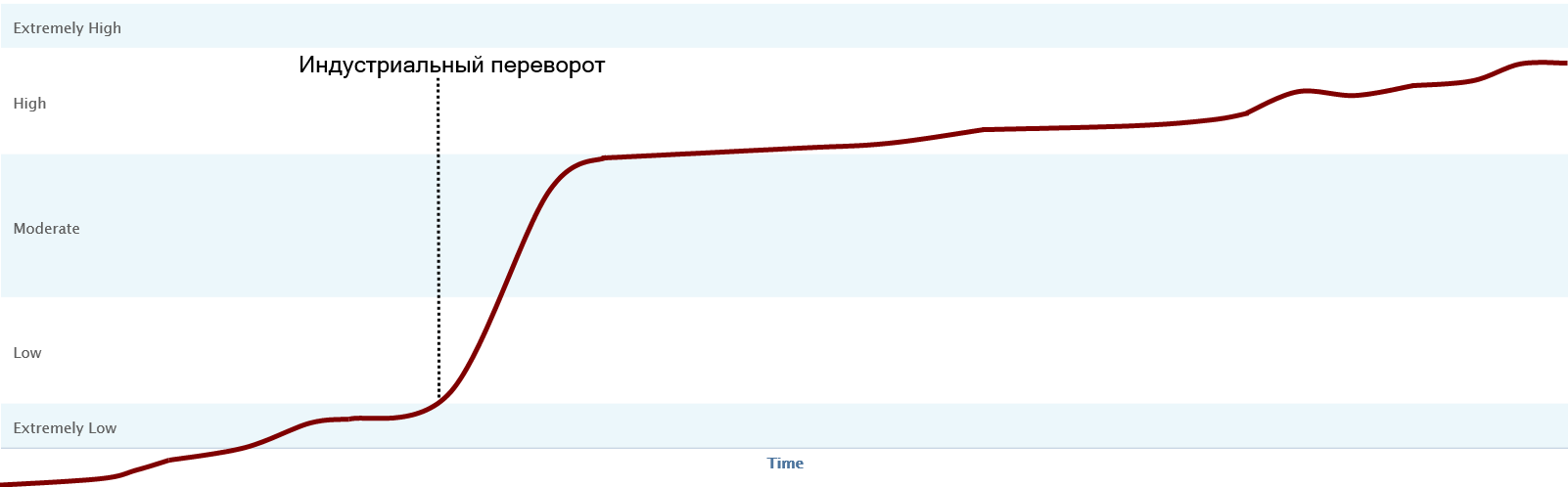 It is not hard to guess how strongly the industrial revolution that occurred about two and a half decades ago affected Kvasardastan's economy. The "entrepreneurs" had enthusiasm to spare, and the deserted northern wastelands unexpectedly turned out to be full of rare resources that could be traded with ease. It is not hard to guess how strongly the industrial revolution that occurred about two and a half decades ago affected Kvasardastan's economy. The "entrepreneurs" had enthusiasm to spare, and the deserted northern wastelands unexpectedly turned out to be full of rare resources that could be traded with ease.Overall, Kvasardastan currently holds leading positions in Actaea, simultaneously ranking among the first places for both the highest and lowest income levels of the population (annual global IEF ranking). Social inequality in the country reaches incredible heights. Agriculture, unsurprisingly, is practically undeveloped or weakly developed in the northern parts of the country, while industry is actively growing. Kvasardastan receives enormous income from trade, which has only increased after the alliance agreement with Rex Ventorum. Information technology and food trade have not proved successful, so they serve only the needs and maintenance of the state's richest citizens, whereas alcohol, gambling, drug trafficking, and the arms trade are widely popular abroad as well, mainly because they are cheap. National currency The generally accepted currency in Kvasardastan is the kvasard, introduced and issued by the government in the person of one man about twenty-six years ago. At present its value and exchange rate continue to grow, holding one of the leading positions in Actaea with an index of 1.09 in the vncr currency valuation rating.
|
Population
At present about one hundred million people live in Kvasardastan; more than 40% of them are essentially slaves and receive no wages at all, the same number make do with a minimal income level, a quarter of them diligently serve the heads of corporations, and less than 3% are truly wealthy people.
A fairly obvious question arises: why do they not leave such hostile lands? The answer is just as simple: once a person gets into Kvasardastan, he has very little chance of returning. This is not only because of the supposedly large number of thugs with weapons in their hands, but mainly because the only possible exit from the country lies through the waters of the northern gulf, controlled by the state authorities. Of course, for a time a person really does feel free, but this does not last long. Most likely, in the very near future some very unpleasant people will visit you, and your luck will determine whether you fall out of their favor and instantly become a lifelong debtor to one of the corporations, or succeed and become a wealthy person who denies himself nothing.
But even if that does not happen, it cannot continue forever anyway. However much freedom a person has, he will still need a place to live and food, which are extremely difficult to find on one's own. This is where the main deception happens: one has to look for work, offering one's services to one of the employers and agreeing to inhuman working conditions. This is the line, and beyond it there is no way back. If your own life is dear to you, you have to toil day and night without rest, receiving miserable pennies or simply a piece of stale rusk for the week, which someone will most likely take from you immediately. Indeed, only the strongest can succeed in this country and avoid falling into the clutches of one of Kvasardastan's powerful cartels.
Leonid Vral, renowned world scholar, researcher, traveler
 Mortality
It is clear that such a life brings nothing good. Many inhabitants suffer from obesity, more than a quarter of the population is prone to cancer, and constant hard labor, a polluted environment, and poor nutrition cause heart problems. This is not even to mention how many residents become victims in armed showdowns. Drugs and alcohol, whose per-capita consumption exceeds every limit, are also not a positive factor for locals. In terms of life expectancy, Kvasardastan is at the very bottom of the region, with a negative span rating.
Culture
It does not develop in Kvasardastan at all, although the upper strata of the population are fairly intelligent and well-read. At the same time, many ordinary residents cannot even count or write. National culture is represented by a huge number of various altered customs and traditions borrowed by the inhabitants from other countries.
Healthcare
Nevertheless, with a sufficient number of kvasards, it is quite possible to count on the help of competent specialists in treating a wide variety of illnesses and diseases. Although medicine is developing rather poorly, it is quite enough to prolong the lives of Kvasardastan's elite.
Education and science
Available only to the richest people in the country, many of whom do not consider it necessary to learn anything new and probably useless. As for the development of the scientific sector, on average Kvasardastan has not achieved any special success here, and only support from Rex Ventorum has recently allowed this field to develop actively in the country.
Transport and infrastructure
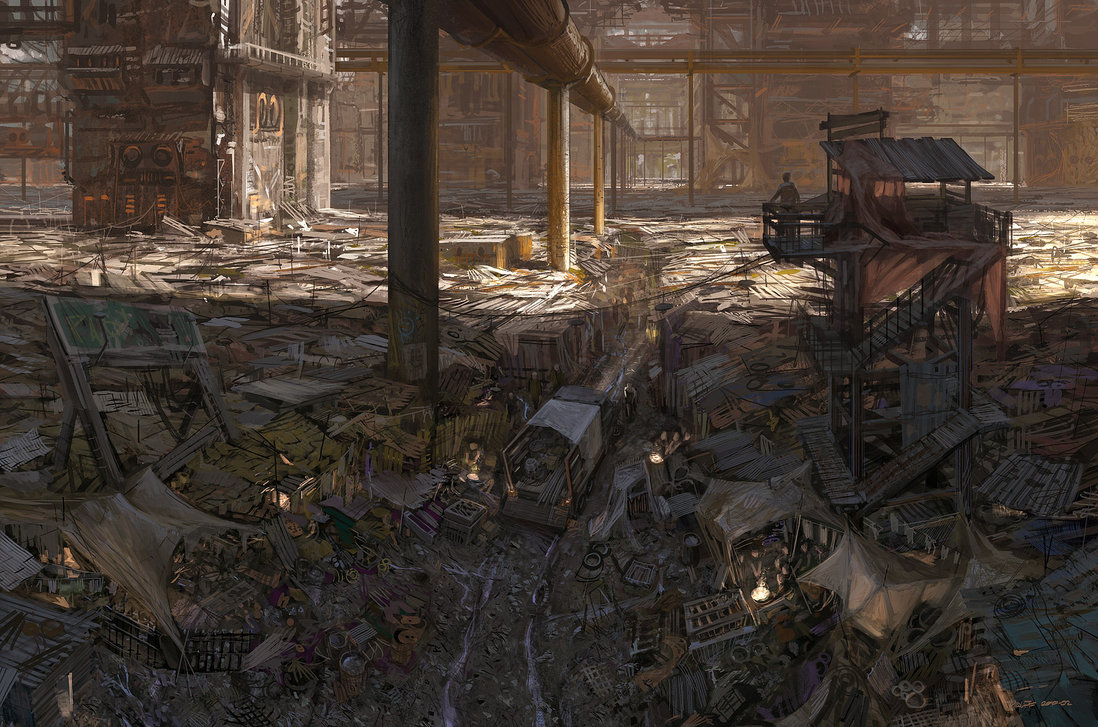
Cheap but generally decent cars are produced for the needs of city residents, while the external industry has been very seriously isolated from the local market. Highways and railway junctions exist in most lands of the Inner and Central regions, shipyards are being built at full speed in enormous ports, and airports as such do not exist at all - only runways, which are maintained only in Kvasardastan's largest cities. Most slum districts have no electricity or drinking water; people are forced to live in small one-story shacks, above whose roofs huge industrial plants rise.
Geography
Kvasardastan is located in the northern part of the continent of Actaea, occupying infertile desert lands commonly called "wastelands." About fifteen percent of the state's total border runs along the waters of the gulf, an important point for trade and transport. There are practically no mountain ranges or uplands, nor forests. Elevation varies greatly and averages about twenty meters above sea level. Small shallow rivers occur near the gulf, while in other areas the shortage of drinking water is a serious problem.
Climate and landscape
| The climate as a whole can be described as temperate continental, with an average annual temperature of about twelve degrees above zero, which does not differ greatly between summer and winter. Increased cloudiness and frequent precipitation in the northern parts of the country, combined with dry weather in the south, led to the formation of enormous swamps that now cover much of the state. Kvasardastan lies on a vast plain blown through by cold winds, which makes the atmosphere even more dreary. Wildlife is represented by some species of small plants and shrubs, as well as a few animals and birds, most of which have been destroyed since the Industrial Revolution. Kvasardastanians breed phoenixes, which are the national animals and are currently on the verge of extinction. Minerals The country's few mountain elevations are rich in valuable rocks, minerals, non-ferrous, ferrous, and precious metals, and ores. Clay, sand, limestone, and mineral salts are actively mined; rocks valued in jewelry are occasionally found. Mineral deposits support the extraction of oil, natural gas, and coal, while the huge swamps serve as a source of peat. | 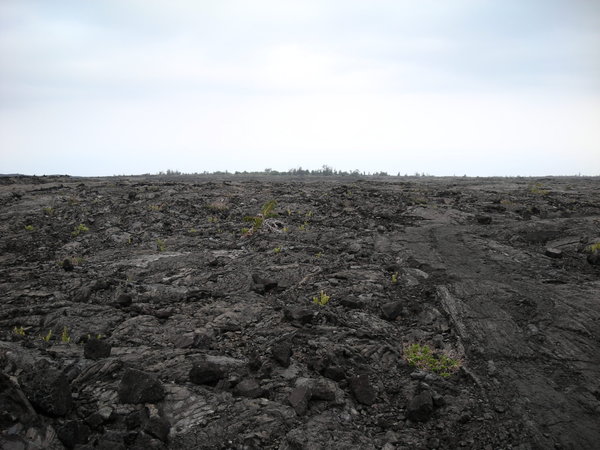 | 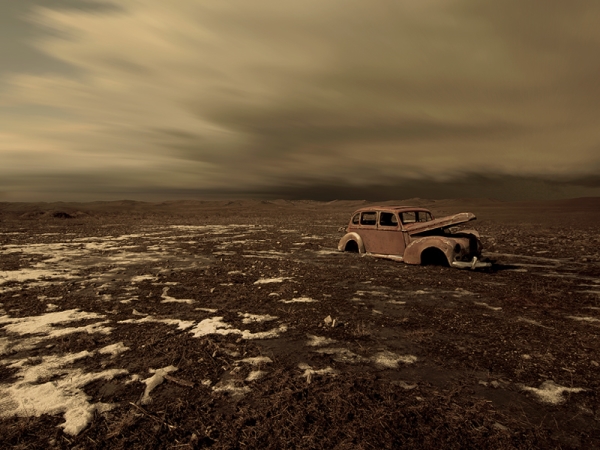 | |
| The mining industry is developing at full speed, with plants being built to process and refine raw materials, something that was not done before because the necessary technologies were absent; most forests have been completely cut down and sold off. | Northern wastelands, Kvasardastan (Summer/Winter) | ||
At present no funds from the state budget are allocated to environmental care at all. Enormous territories have been polluted by industrial waste, many species of living creatures and plants have been destroyed, swamps and rivers drained, and forests cut down. According to the international toxicity ranking, the state holds first place on the continent. Nature has been disfigured beyond recognition; huge garbage dumps fill the outskirts of cities, and all of this has a disastrous effect on the health of the people living in the country. The damage done to the environment in twenty years is so serious that nature will need about three thousand years to recover and heal from this terrible shock on its own. Worst of all, this is far from the end. The borders of the Inner Region are rapidly narrowing, while the lifeless wastelands continue to grow. Forecasts by leading specialists in this field say that in fifty - at most seventy - years Kvasardastan will cease to exist, if it does not happen sooner. By the way, just look at its eastern neighbor, the Rex Ventorum corporation! That is another example of the most terrible... Languages There is no official language in Kvasardastan; most townspeople know the main international language. Nevertheless, among the lower strata of society, the so-called "Kvasardastanian language" is actively used for communication, a mixture of the local tongue and several foreign dialects. This language differs little from the international one, but most words in it are distorted, shortened, and pronounced incorrectly, including stress placement; grammar and punctuation as such do not exist, but in use it is much more convenient than its older brother. The main speakers of the Kvasardastanian dialect are workers in most industries, as well as slaves and all other dregs of society. | 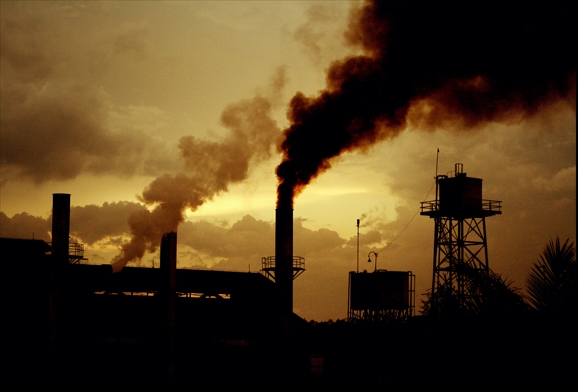 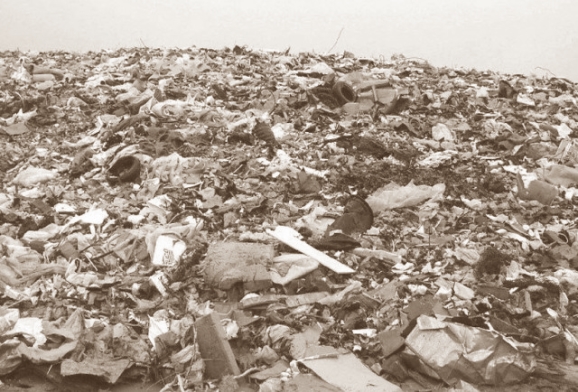 |
No generally accepted or widespread beliefs are observed in Kvasardastan; the inhabitants are mostly atheists. Indeed, it is rather difficult to find a religion that permits so many vices, indecencies, and filth as occur daily in any district of the country. The government itself treats such things tolerantly, not encouraging them, simply ignoring them.
In recent years this has led to all sorts of fanatics and mad cultists flocking to the state, people who would have a very hard time existing in the more civilized countries of Actaea. The most prominent of them is the Cult of the God of Torments (evil Google language translator), whose servants firmly believe in the existence of a great ancient god currently sleeping in the depths of the planet. To hasten their lord's awakening, the fanatics are obliged, in addition to daily prayers, to perform ritual human sacrifices. For this they easily find homeless residents, bind their hands and feet with ropes, and then begin the procedure itself, [which includes eating the eyeballs and tongue, tearing out nails, cutting off the genitals, cutting open the abdomen to remove and later cook the internal organs, severing limbs (starting with the fingers), piercing the victim's body with iron nails, and much more. The captive remains conscious until his own death from the inflicted wounds, after which his body is cooked over a fire and eaten.*] It is believed that the victim's pain and suffering bring the awakening of the god of torments closer and strengthen the power of the cultists themselves.
*The selected fragment of the article is proposed for deletion.
Capital
Khramiya
| The largest city in Kvasardastan, with the most developed infrastructure and the largest population, is Khramiya, named after the palace of Kvasard the Great located here. About 80% of local residents belong to the so-called lower strata of society, while the share of the state's richest inhabitants is highest here (about 4% of the city's population and 70% of all rich people, respectively). A runway for airplanes is located on the city's outskirts; from the very center, a road leads straight to the Khramiya port, one of the largest in the region and the largest in the country. The city also contains many plants and factories, mainly producing various kinds of armaments. Local residents earn slightly more on average than in the rest of the country, and there is an elite district for the wealthiest townspeople. Among other things, most defensive complexes intended to protect the local population from a possible enemy attack are concentrated here. | 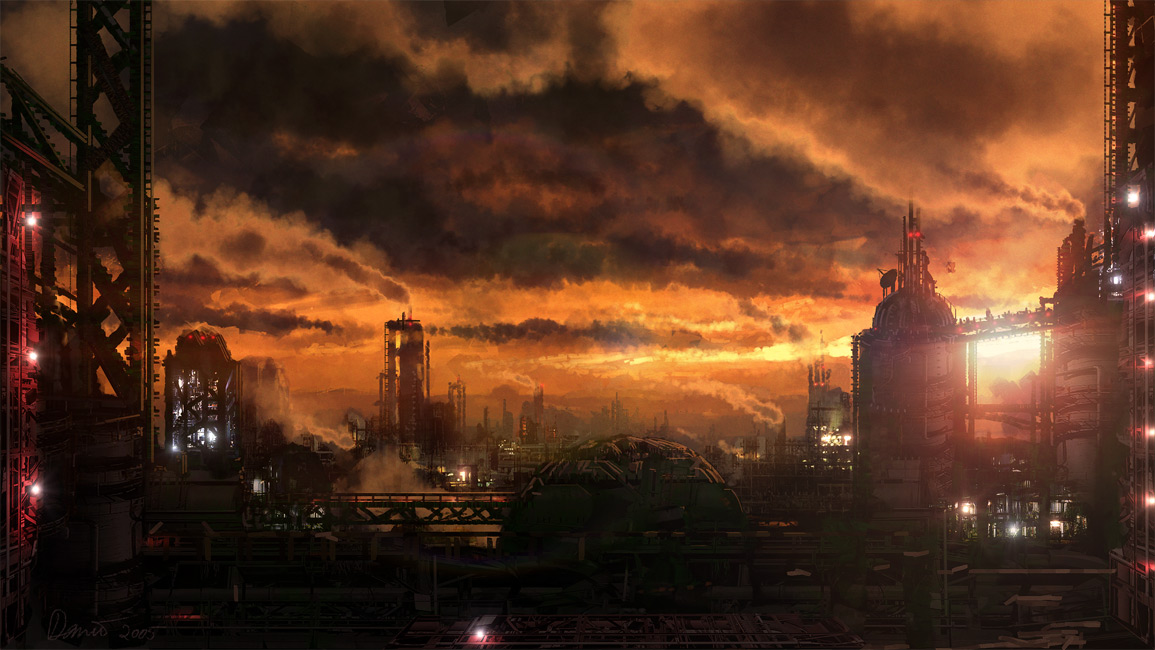 | 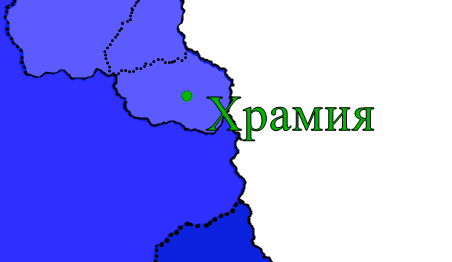 Capital: Khramiya Region: Khramiya Region Governor/mayor: none (Kvasard the Great) Population: approx. 15,000,000 people Industry: Weapons, military equipment Military power: high ↑ Average income level: 80,114 QZ ↑ Poorest: 6,210 QZ ↓ Richest: 2,498,400 QZ ↑ Employment: very high ↑ Standard of living: low ↓ Security: very low ↓ Environmental care: very low ↓ |
Temple
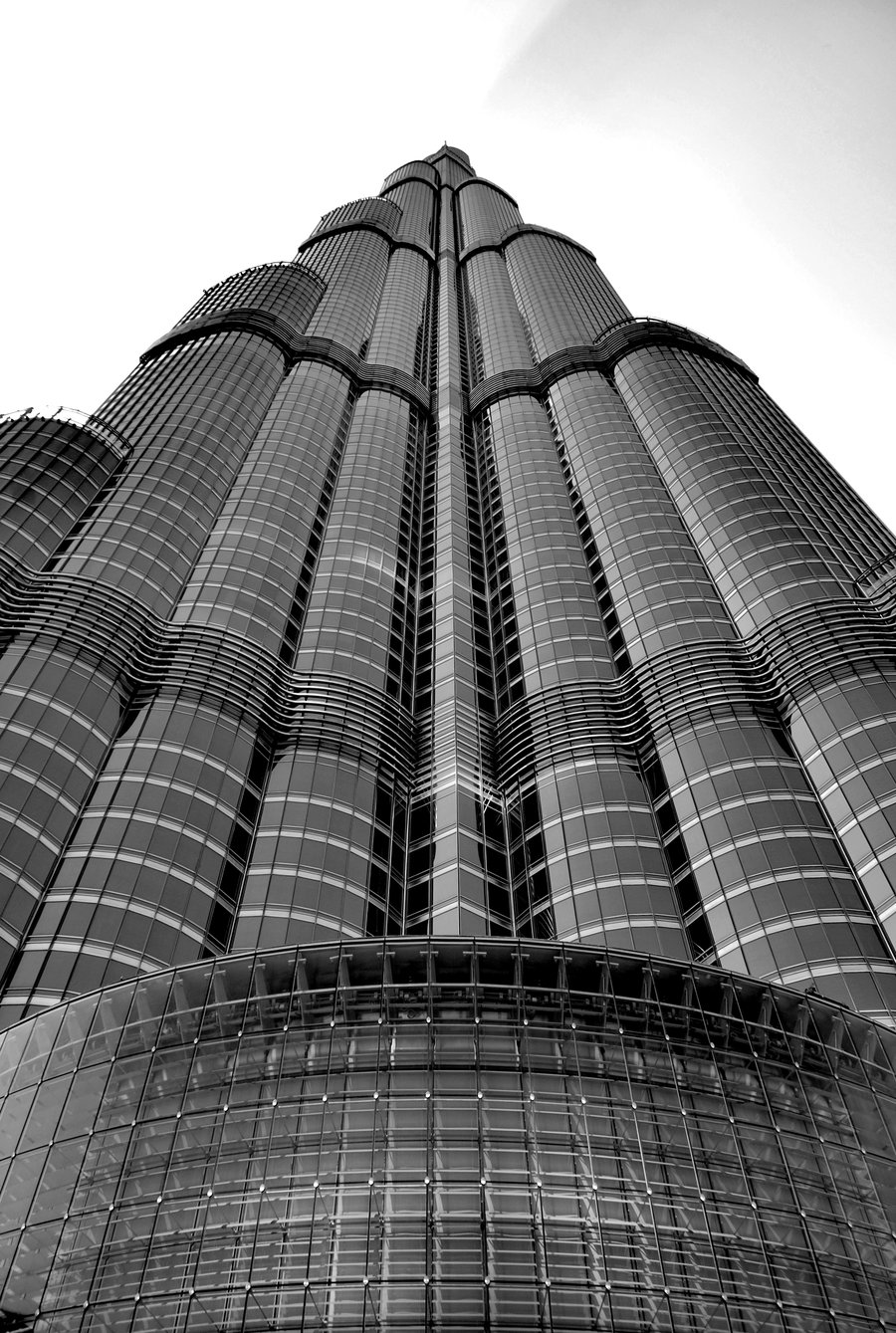 Temple, capital of Kvasardastan | The tallest building in all Kvasardastan (about one hundred floors, total height over six hundred meters), serving at once as a palace and a fortified fortress for the ruler of the state, Kvasard the Great. It is also the most heavily guarded facility in the country and one of the best fortified against possible enemy attack. About 50 floors of the Temple are given over to the needs of internal security and guard service; it has an auto workshop, a hangar for combat helicopters, a fortified underground parking area with space for armored personnel carriers and tanks, and a bunker, as well as several luxurious restaurants, a library, a cafeteria, an art gallery, and even an oceanarium. In short, absolutely everything a dictator might need and for which there is no need to travel anywhere. A small runway is located on the roof of the structure, and another like it exists near the main entrance. The entire territory around the Temple is fenced off and entry is strictly forbidden; more precisely, no sane person would even think of going there. The perimeter is reliably guarded by Kvasard's people, including sniper units that never lose vigilance, and there are even more guards inside the structure. Kvasard recruits only the most loyal and devoted people here and pays them decent money simply to remain in constant combat readiness. The skyscraper's windows consist of thick armored glass; the walls are hidden under cladding made of super-strong metal alloys, some of which can absorb harmful radiation; a high-speed elevator is ready at any moment to carry the ruler to the lower levels, which can isolate their owner from possible hits by super-heavy bombs, including weapons of mass destruction. Kvasard's private chambers are located on the seventy-seventh floor, and no one except certain people and his assistant is allowed to enter without special permission from the dictator himself. Around the Temple and inside the building there are several air-defense systems, as well as anti-tank and anti-personnel guns, missile weapons, all kinds of scanners, and ultra-long-range radars. In addition to all the above, there are plans in the very near future to equip the palace with a missile-defense system involving the use of weapons of mass destruction, but at present Kvasardastan's technology does not allow the use of any effective nuclear warheads. The recently concluded alliance with the industrial giant Rex Ventorum will probably change this very soon. Kvasard's own dream is to adopt ultra-high-yield neutron bombs that could not only deal effectively with a possible threat of nuclear attack, but also significantly increase Kvasardastan's own power. Overall, the Temple is at once the most luxurious, majestic, and well-protected facility in the entire state. As a famous local proverb says: "If not by quality, then by quantity." Kvasard the Great seems to think similarly, continually reinforcing the enormous pyramid-shaped fortress located in the very center of Kvasardastan's capital. National animal  It so happened that since the creation of Kvasardastan, the Phoenix has been chosen as the national animal. Obviously this came from the name of the very terrorist group to which today's leader of the state probably belonged, but why the militants themselves chose that name remains a mystery. It so happened that since the creation of Kvasardastan, the Phoenix has been chosen as the national animal. Obviously this came from the name of the very terrorist group to which today's leader of the state probably belonged, but why the militants themselves chose that name remains a mystery.There are, however, a number of assumptions about this; one of the most popular is the comparison of these amazing creatures' habitats with the regions where the brotherhood had the greatest number of supporters and where it could take root. Based on this information, one can draw the obvious conclusion that the organization owes its name precisely to phoenixes, and from it these creatures became the national animal of an entire country. Phoenixes are fairly large flying birds, whose wingspan sometimes reaches four meters, once widespread in the swampy terrain of the northern wastelands, whose local microclimate was evidently ideal for them. These creatures have bright red plumage, which, together with rapid wingbeats, can create a certain appearance of real flame, excellent for frightening off unfriendly outsiders. Phoenixes live up to fifty years, though true long-livers are also found among them. As was later discovered, guesses about the possible incredible properties of phoenixes and their | |
| ability to self-restore turned out to be no more than meaningless myths. Still, most adult specimens really do have fairly strong regeneration of internal organs and recovery after external injuries. The assumption that phoenixes supposedly love hot and dry places also proved obvious nonsense; rather the opposite, these birds do not like heat at all. Phoenix chicks hatch from eggs completely blind and naked, and only after two or three weeks do they grow plumage, gain sight, and with it the ability to fly and hunt. On average, phoenixes reproduce infrequently, about once every three or four years. The birds are omnivorous and can easily assimilate and digest animal meat, including human flesh. They are rather timid unless defending their offspring, and like all birds they are stupid, though they can be trained. Phoenix meat, like its plumage, has always been valued and respected. Mainly for this reason, and also because of environmental pollution in Kvasardastan, almost none of these beautiful birds remain. At present the birds are kept in special enclosure-nurseries in an attempt to preserve the existing population. Phoenixes reproduce extremely inefficiently in captivity. Therefore the price of a delicacy made from their meat rises every year, and the feathers are valued literally at their weight in gold. | ||
Other information
New facts about Kvasardastan that the article editors forgot to mention will be added here over time.
This publication is valid from the moment of official release until next week, after which the data may change significantly.
Anthem
Kvasardastan does not actually have an official national anthem, but there are types of music that enjoy a certain popularity among local residents.

Whatever