Happy Life

Auto-translated

Intellivision for Ment. At first, it was pretty good – the visuals and atmosphere were top-notch, the humor was enjoyable, and even the lore was relatively decent. Once that initial impression faded, the degrading nature of Metroidvanias became more apparent, which is why I despise them – running and jumping on the same platforms, monotonous killing of dumb enemies with only two animations on each new screen. However, the visuals and the developer's apparent effort still prevented me from dropping it right away. But then I didn't play for a few days, and after another launch, I got lost because I had forgotten the map. I was too lazy to explore all the previously closed-off areas after winning another boss fight in hopes of finding a passage, although I did try, but it turned out to be too tedious, and I finally dropped it.
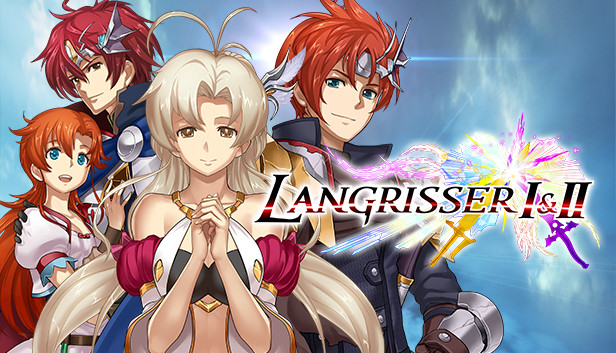
A classic turn-based tactics game with progression, a solid 8 out of 10. The game itself offers relatively little in absolute terms – it's just wargame-style battles on maps, interspersed with VN-style story segments, and between missions, you can change the hero's gear/abilities/class, and missions towards the middle-end can take up to ~an hour, so at some point, you realize that playing it for several hours in a row is difficult, but playing a mission or two a day is quite manageable. But what it does offer is done very well – from the graphics and music to the mechanics (for example, you don't necessarily have to tediously control each soldier individually; you can simply give them an order to move/attack together with the hero with a couple of clicks) and the story – some missions have additional tasks and conditions, completing or not completing which will lead you to a different route, and for the most part, these routes differ significantly from each other, both in terms of the composition of heroes with their corresponding units and in the direction of the story, up to completely hellish ones. I went through both routes and simply got tired because you can grind a lot there, and there is a lot of content in the game.
Automata plunged me into universal melancholy simply by being in it – you saw ruined landscapes, listened to mournful music, watched the meaningless bustle of machines trying to copy human behavior patterns, but this feeling was more or less stable, and over time, at certain moments, there came a pleasant realization that, in general, everything in this world is fine, the worst thing – the human virus – is already behind us, and you can indulge in all-encompassing harmony with the freely breathing world.
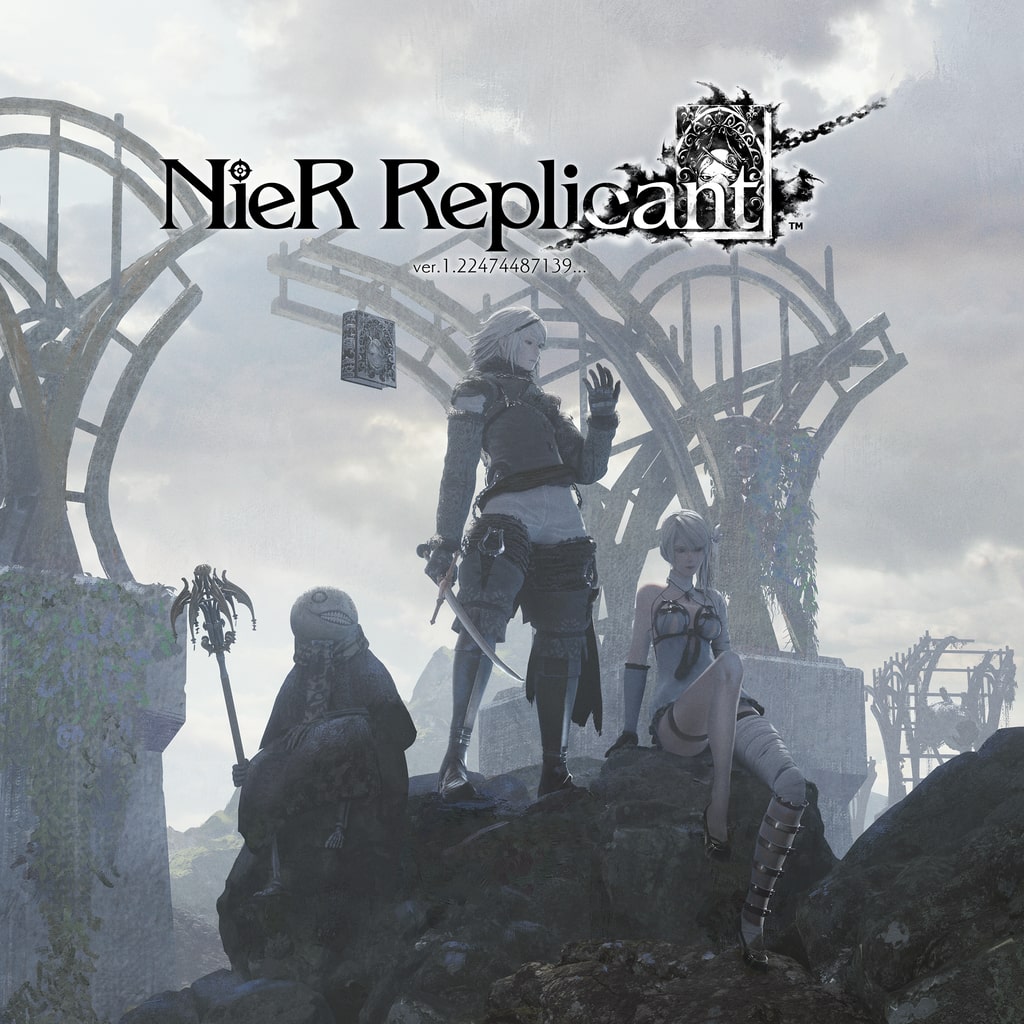
Replicant/Gestalt hurts in its own way. You are greeted by a very intimate, cozy, rural fantasy world, supposedly "dying," but you see beautiful green landscapes, a shining sun, cheerful rosy NPCs-jesters, playing children, peacefully grazing sheep, and you think – it's not that bad, you were simply given a world that has regressed to the Middle Ages, and supposedly this should be sad, but there are not even many ruins. What is there to be sad about? Pleasant music plays on top of this, you are fed with all sorts of cute everyday scenes, everyday quests, you have chickens and chicks running around in your village and on your plot, and you have a vegetable garden – you can grow grains, vegetables, watermelons, and all sorts of flowers. Why not live? You can go fishing – by the way, the fishing is pretty good, the mechanics are somewhat meager in some respects, but in terms of authenticity and interest – it's quite good. You can ride a boar around the area. You visit different settlements, each with its own atmosphere, and they are quite different from each other in terms of both external design and atmosphere, lore, and the concept of the place. At the same time, you are presented with a more or less classic fairy tale story without any forced grimdark or mind-blowing twists – it's a bit strange in places. The combat itself is partly simple, partly dynamic, again a bit strange, but enjoyable. In general, a certain haze envelops the mind and heart. Closer to the middle, I caught a very unexpected, amazing feeling – it had been brewing for quite some time, but at one point, in one of the locations, under its soundtrack, I finally realized it. This feeling was a kind of nostalgia, but nostalgia here will be a somewhat piggish, doggish, down-to-earth concept, but for something like that, some memories of childhood, about 8-11 years old, some random fragments of sensations from walks around the neighborhood, on hot summer days, alone, somewhere in the yard and further, in a period of life when you are interested in exploring the world, even just digging in the sand or pebbles in proud solitude, inventing some interesting games, experiments on physical matter for yourself. When the concepts of bad mood, depression, hopelessness do not even exist as psychological concepts, when the world is still not perceived as something final, oppressive, having boundaries, consisting of different depressing immaterial layers, but is determined by what you see around you directly and assume in your head, according to your childish guesses and pranks. I realized at one point that I was aware of this atmosphere, and for a moment, I experienced euphoria from it. Throughout my life, I have sometimes tried to recall something similar manually, sometimes consciously, sometimes not, but in our current reality, this is not easy, and here it happened by itself.
And then... Then Replicant bristled, but even here, it did it in its own way. As they say: slowly, gently - this is how life is taken. When you thought that everything was under control, and even some more vivid twists, designed to add drama, you endured without problems because you expected them, it begins to gently hit you with what you did not expect. But you didn't expect it not in the sense that it was some unexpectedly presented twist, but... Simply everything gradually begins to succumb to entropy and the destructive sands of time. This is not generally emphasized demonstratively, except for the most direct and obvious moments, but in the details, for the attentive player, this is felt everywhere and always. Not all of them are capable of striking anyone in the heart, but the fire is fired over a large area, and some of the arrows do hit between the ribs. And in most places, this is not even an attempt to deliberately evoke emotion, but simply a statement of fact, to which you are free to react according to your own awareness and attitude, and thereby it becomes more realistic, in the sense that you realize how fragile everything that you have already accepted as a given has turned out to be, and how inconspicuous the process of this entropy looks, nevertheless relentlessly and indiscriminately revealing itself. Where are you going? What do you even know? Is there any hope? And for what? How fragile is it? Are you ready to give it up? And what will you do? Are there any other options? I'm not trying to dissuade you or trick you, just try to answer these questions. In essence, the whole Replicant is a metaphor for one single human life in a fairy-tale setting.
Ultimately, I believe that this is a masterpiece by a genius, and I am glad that it was finally remastered and ported, but I will not recommend it to people without a contemplative trait in their character and without the appropriate mood for this immersion. There is less "yoba" in it than in Automata, and more deep human reflection. If you are interested in a rating, then taking everything described above into account – a solid nine, subjectively – even higher.
The translation, of course, is garbage, but this is classic for Western scum.
My sword, my trusted ally, unphased by my aspect.